Vegan Protein Foods: A Simple Way To Eat Enough Daily
By:Author:Green Diet Editorial
Updated on:October 18, 2026
- Does Eating Only Plants Actually Cover Your Protein?
- How Plant Protein Actually Adds Up Across a Day
- How Much Protein a Day Actually Takes
- Whole Plant Foods Versus Protein Powders
- Fitting Protein-Rich Plants Into a Normal Week
- The Myth That Plant Protein Builds Muscle Overnight
- Three Factors That Decide If Plant Protein Works
- Mistakes That Quietly Leave Plant Protein Short
- Planning Daily Vegan Protein Foods With Green Diet
- Keeping Your Protein Routine Simple From Here
Beans, lentils, tofu, tempeh and edamame carry enough protein to cover most of a day's needs without any meat on the plate. The mechanism is simple: your body breaks down protein into amino acids regardless of the source, so a varied mix of plants supplies what it needs.
The old worry about combining foods at every meal to get complete protein has mostly fallen away. Eating a reasonable variety across the day does the job without any spreadsheet.
This guide covers how much protein a day actually takes, which foods carry the most per serving, the mistakes that quietly leave people short, and how to build a routine around it that doesn't feel like a chore.
Does Eating Only Plants Actually Cover Your Protein?
Yes, with a bit of planning around volume rather than variety tricks. A cup of cooked lentils carries around 18 grams of protein, a cup of cooked chickpeas around 15 grams, and 100 grams of firm tofu around 10-12 grams.
Stack a few of those across breakfast, lunch and dinner and the daily total adds up fast without any single food doing the heavy lifting.
The arithmetic is plain: three servings of protein-dense plant foods a day, spread across meals, gets most adults into a reasonable range without supplements or tracking apps doing anything clever.
How Plant Protein Actually Adds Up Across a Day
Two things decide whether a plant-based day hits its protein target: how dense the chosen foods are, and how evenly they're spread across meals.
Food Density Does Most of the Work
Beans, lentils, tofu, tempeh, seitan and edamame carry far more protein per serving than vegetables or grains, so building meals around them rather than treating them as a side matters more than any other single choice.
Spreading Protein Across Meals Beats Loading One
Putting all the day's protein into one large dinner leaves breakfast and lunch thin, so splitting dense foods across three meals makes the daily total easier to reach without one huge plate at the end of the day.
Neither factor works alone. A day built on dense foods but eaten in one sitting still leaves long stretches with almost nothing to draw on.
How Much Protein a Day Actually Takes
There's no single number that fits everyone, but a simple table of common foods makes it easy to see how servings stack up without any guesswork.
Building a Day From Simple Servings
Picking three or four of the foods below across a day, in normal portion sizes, covers a reasonable protein target for most people without any single meal needing to be huge.
| Food | Serving | Protein |
|---|---|---|
| Cooked lentils | 1 cup | About 18g |
| Cooked chickpeas | 1 cup | About 15g |
| Firm tofu | 100g | About 10-12g |
| Tempeh | 100g | About 19g |
| Edamame | 1 cup | About 17g |
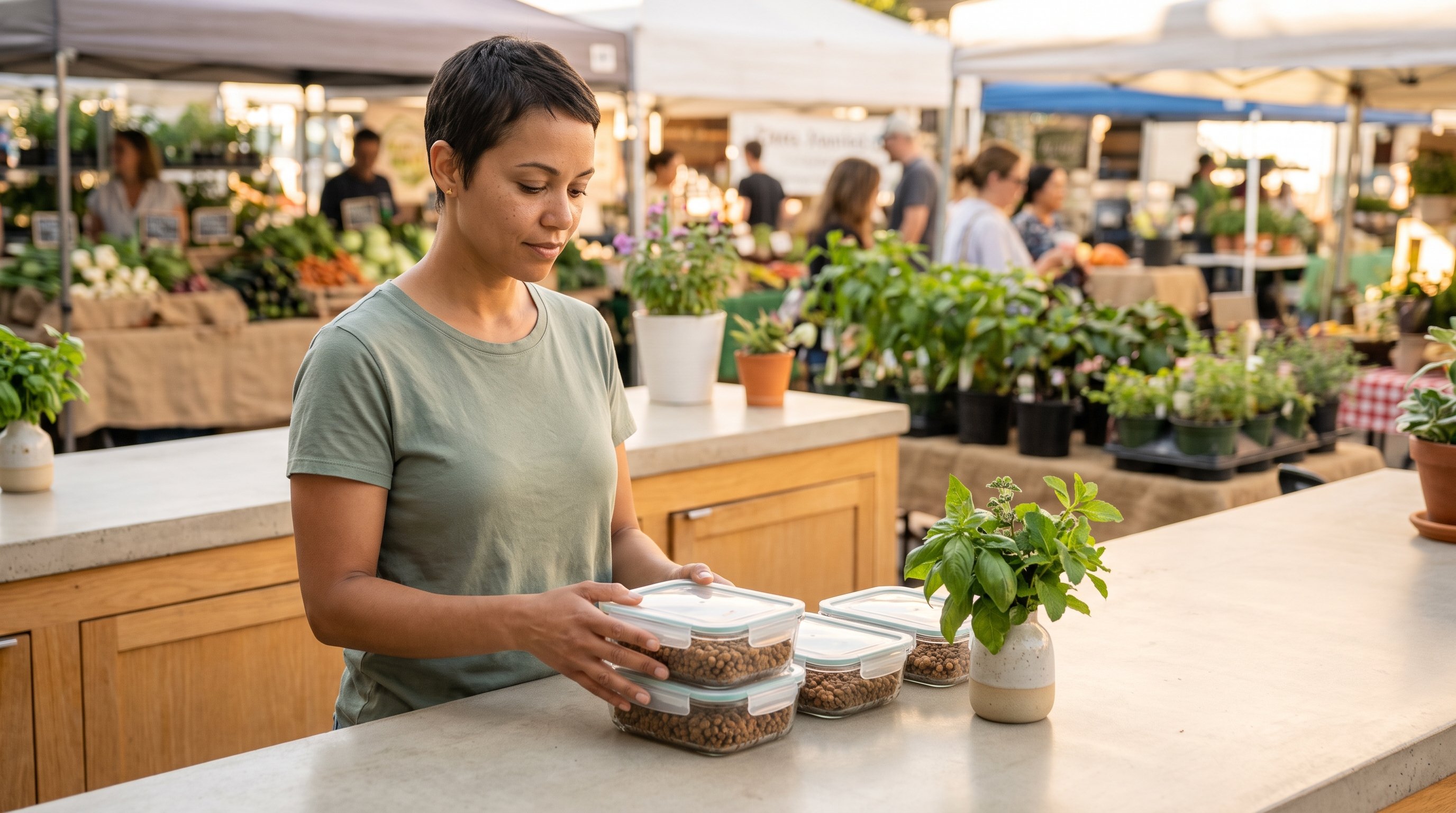
Mix three of these across a day and the running total climbs past 40 grams before any grains, vegetables or nuts are even counted.
Whole Plant Foods Versus Protein Powders
Protein powders are convenient, but whole foods like lentils, tofu and tempeh bring fibre, iron and other nutrients along for the ride that a scoop of powder doesn't carry.
A powder also costs more per gram of protein than a bag of dried beans, and it has to be bought, stored and remembered every single day.
Whole foods win on adherence because they fit into meals people already cook, rather than adding an extra step that's easy to skip when the week gets busy.
Fitting Protein-Rich Plants Into a Normal Week
A normal week doesn't need a separate protein plan - it needs the dense foods already covered above to show up on repeat without much thought.
Batch-cooked lentils or chickpeas keep in the fridge for days and drop into soups, salads and wraps with almost no extra effort.
A meal plan built around food you already like makes this easier to sustain, which is exactly where Green Diet fits - it lays out plant-based meals with protein-dense foods already worked in, so the planning part is done before the week starts.
The Myth That Plant Protein Builds Muscle Overnight
No single food or meal changes muscle or body shape overnight, and no amount of lentils targets one area of the body.
Muscle responds to consistent protein intake paired with regular movement over weeks and months, not to any one meal or ingredient.
The honest answer is less exciting than the myth: steady intake, spread across most days, paired with some form of regular activity, is what actually does the work over time.
Three Factors That Decide If Plant Protein Works
Not every plant-based day ends up protein-sufficient, even when it looks healthy on paper.
What Actually Moves the Needle
- Total servings across the day - three to four dense servings matter more than any single big meal.
- Variety of sources - rotating beans, tofu, tempeh and edamame covers gaps that relying on one food leaves open.
- Consistency week to week - a strong day followed by three thin ones averages out lower than steady moderate days.
Mistakes That Quietly Leave Plant Protein Short
Treating Vegetables As the Protein Source
Vegetables are valuable but low in protein compared with beans, lentils and tofu, so a plate built mostly on greens often falls short even when it looks substantial.
Skipping Breakfast Protein Entirely
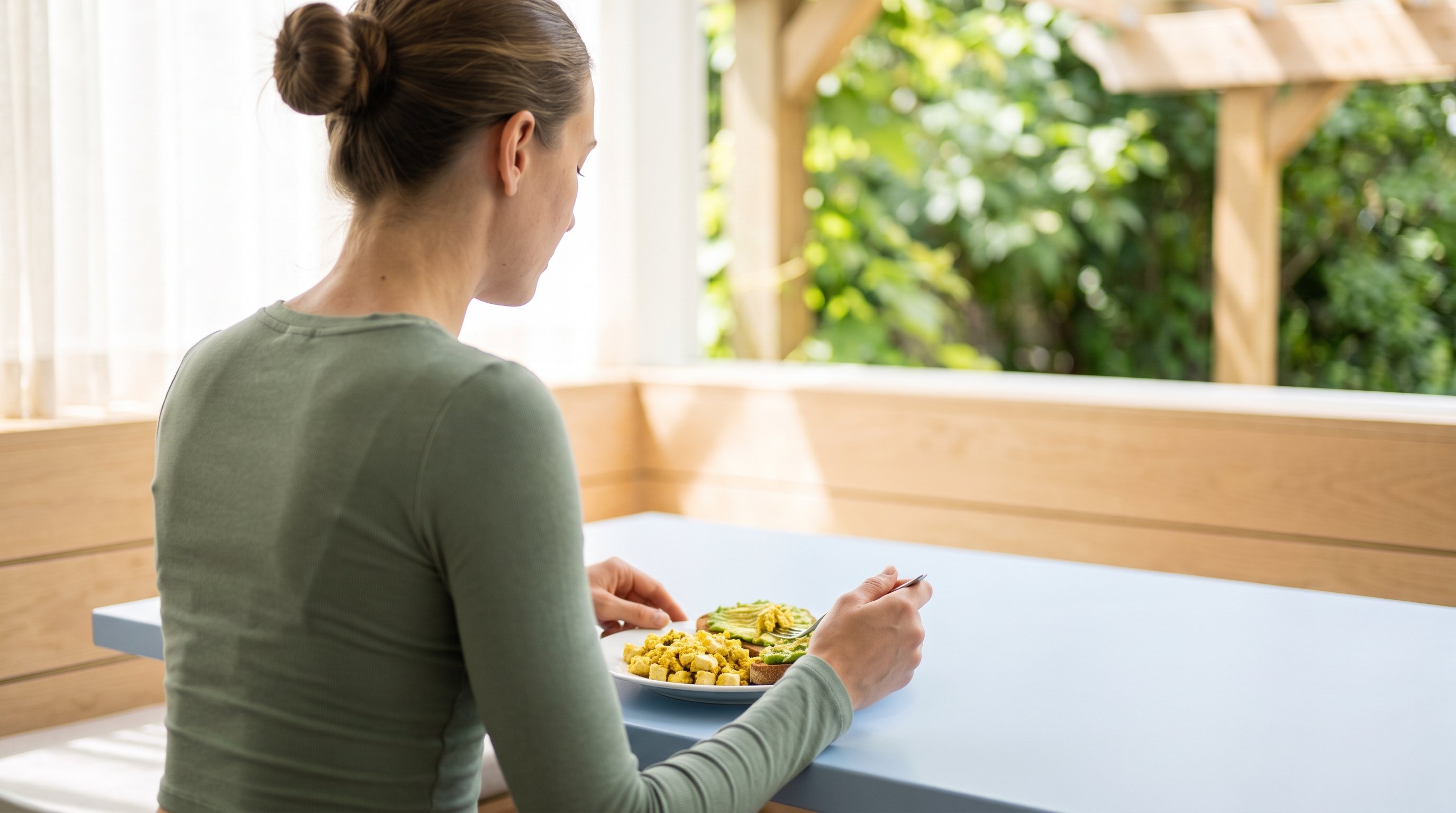
A breakfast of toast or fruit alone leaves the whole day's protein target riding on lunch and dinner, which makes it harder to catch up by evening.
Relying on One Food for Every Meal
Eating tofu at every meal gets repetitive fast and makes the diet harder to stick with, so rotating lentils, tempeh, chickpeas and edamame keeps things interesting.
Underestimating Portion Sizes
A small spoonful of lentils on the side of a plate carries far less protein than a full cup, so portion size matters as much as the food choice itself.
Planning Daily Vegan Protein Foods With Green Diet
Working out which foods to combine and in what amounts is the part that trips most people up, not the eating itself.
Green Diet takes that planning off your plate with a tailored plant-based meal plan that already accounts for protein-dense foods across breakfast, lunch and dinner, so there's no need to calculate servings by hand.
Progress tracking in the app also keeps water, weight and daily habits in one place, so the protein side of eating doesn't become the only thing you're paying attention to.
Eat Clean Every Day
Natural Weight Loss Plan
Keeping Your Protein Routine Simple From Here
The simplest move is to pick two or three dense foods from the table above and get them into the fridge this week - cooked, ready and easy to grab.
Green Diet can take over the planning side once the basics feel familiar, laying out meals that already carry enough protein so the guesswork disappears.
FAQ
It depends on body size and activity level, but spreading three to four servings of dense foods like lentils, tofu or tempeh across the day gets most people into a reasonable range. There's no single number that fits everyone, so building meals around those foods matters more than hitting an exact figure.
It's less complicated than it sounds once a few dense foods are kept on hand regularly. Beans, lentils, tofu and tempeh carry enough protein per serving that three normal portions across a day covers most of the gap meat would otherwise fill.
Tinned or pre-cooked versions work just as well and save the soaking and boiling time. Green Diet's meal plans also build these foods into recipes directly, so there's less need to work out combinations alone.
Most drop-off happens when meals rely on one repeated food that gets boring fast, or when breakfast gets skipped and the rest of the day can't catch up. Rotating a handful of dense foods and covering at least one at breakfast keeps the habit easier to hold.
Share this post