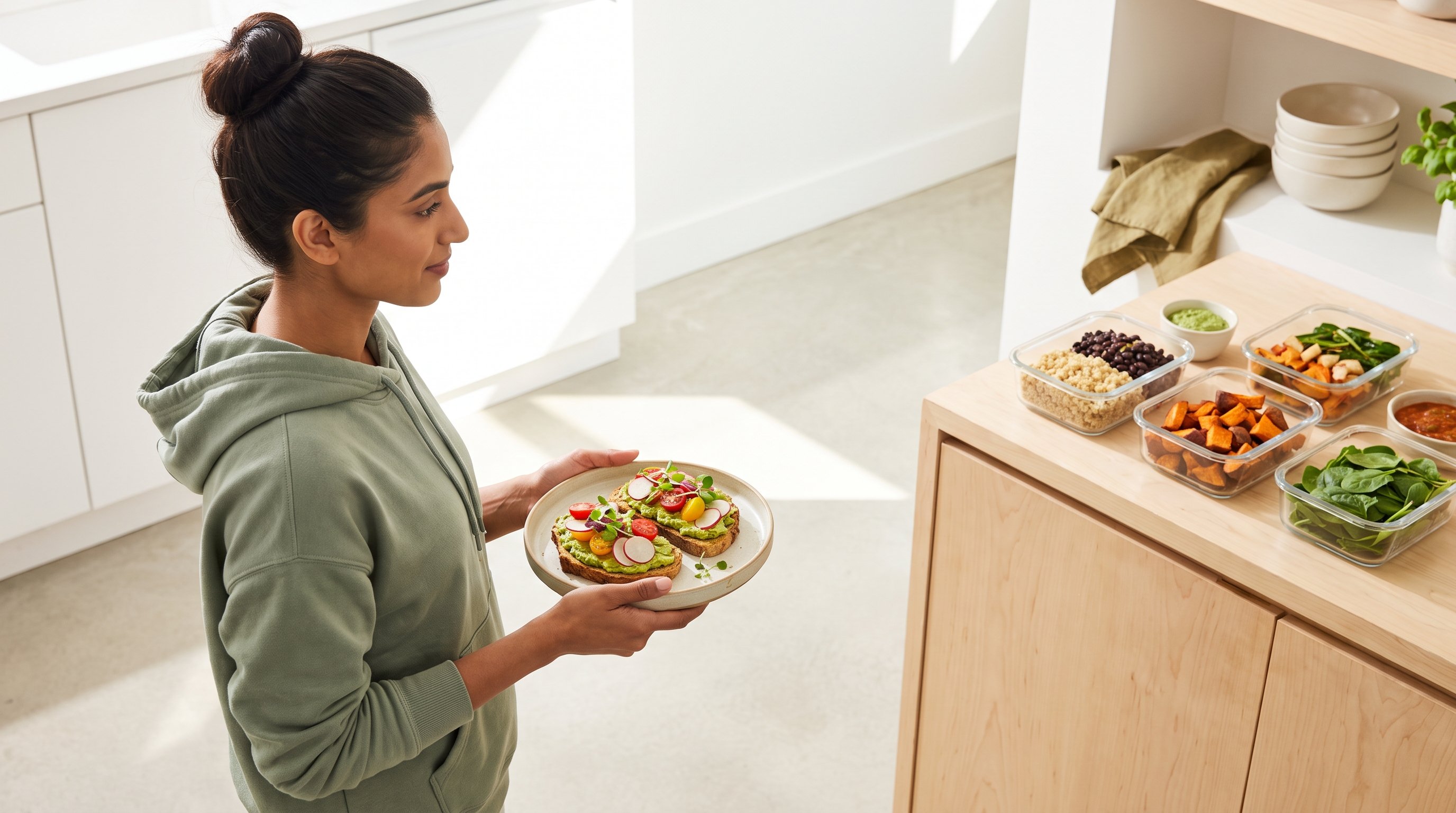
Prebiotic Foods: A Simple Way To Support Digestion Daily
By:Author:Green Diet Editorial
Updated on:October 18, 2026

- Do Fibre-Rich Plant Foods Actually Make a Difference
- Choosing Between Whole Foods and Fibre Supplements
- Why Everyday Food Beats Relying on a Supplement
- Adjusting Fibre-Rich Eating to Your Situation
- Working These Foods Into a Normal Week
- The Myth That One Food Fixes Your Digestion Overnight
- Planning Prebiotic Meals Through Green Diet
- Making Fibre-Rich Eating a Lasting Habit
They're fibres found in plants that your body can't digest on its own, so they pass through to the gut largely intact, where the bacteria living there break them down.
That fermentation process is the whole mechanism: certain fibres act as fuel for specific gut bacteria, and feeding them regularly is thought to help keep that bacterial population steady.
This guide covers what these foods actually do, how they stack up against supplements, who needs to adjust the approach, and how to build the habit without making digestion the centre of every meal.
Do Fibre-Rich Plant Foods Actually Make a Difference
The mechanism is straightforward: fibres like inulin and resistant starch aren't broken down in the small intestine, so they reach the large intestine whole.
Once there, bacteria ferment them, and that fermentation is the process these foods are valued for - it's not about one meal, it's about repeated supply over time.
The arithmetic is simple enough to follow: eating a serving of onion, garlic, oats or a banana once won't change much, but working a few of these into most days adds up to a steady fibre intake across a week.
That's the honest version - no single food flips a switch, but consistent fibre intake, meal after meal, is the input the gut bacteria are actually responding to.
Choosing Between Whole Foods and Fibre Supplements
This is the decision most people land on eventually: build meals around onions, oats, garlic and bananas, or reach for a powder or capsule that promises the same fibre in less effort.
Both can supply fermentable fibre, but they're not identical in what else they bring to the plate.

| Option | Fibre Source | Extras Provided | Daily Effort |
|---|---|---|---|
| Oats | Whole food | Protein, slow carbs | Low, cook once |
| Garlic and onion | Whole food | Flavour, antioxidants | Low, daily cooking |
| Bananas | Whole food | Potassium, portable | Very low |
| Fibre powder | Supplement | Fibre only | Low, needs mixing |
| Fibre capsules | Supplement | Fibre only | Very low |
Whole foods bring along other nutrients and are easy to build a meal around, while supplements are quicker but narrower in what they offer.
Why Everyday Food Beats Relying on a Supplement
Adherence is the deciding factor, not potency - a fibre source you'll actually use every day beats one you forget about by Thursday.
Whole foods like oats, onions and bananas slot into meals you're already making, so there's no separate step to remember.
A capsule or powder only helps on the days you remember to take it, and if it sits at the back of a cupboard, it's doing nothing.
The easier route - working fibre into breakfast, lunch and dinner rather than adding a standalone step - tends to stick longer simply because it asks less of you.
Adjusting Fibre-Rich Eating to Your Situation
If You're New to Eating This Way
Start with one swap, like oats instead of a sugary cereal, rather than overhauling every meal at once.
If You're Short on Time
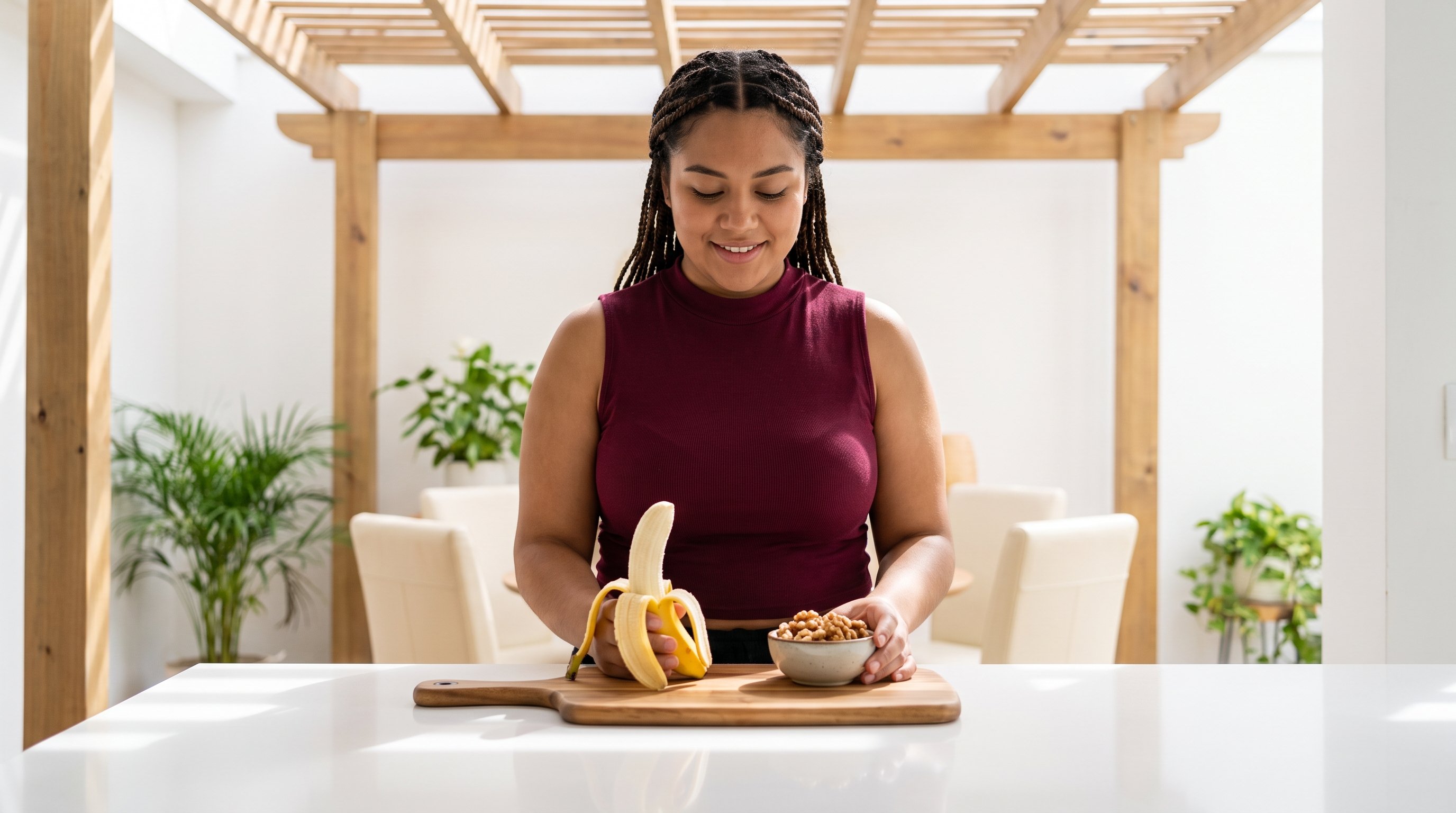
Lean on foods that need no prep - a banana, a handful of nuts, or garlic and onion already cooked into a sauce you'd be making anyway.
If You Have a Sensitive Stomach
Increase fibre-rich foods gradually rather than all at once, since a sudden jump can cause bloating that settles down once intake is more consistent.
If You're Cooking for a Household
Build meals that already lean plant-based - a vegetable soup with onion and garlic, or oats at breakfast - so everyone gets the benefit without a separate dish for one person.
Working These Foods Into a Normal Week
Most weeks are built around a handful of repeated meals, which actually makes this easier than it sounds - you only need to adjust the recipes you already cook on rotation.
Oats at breakfast, a banana as a snack, onion and garlic in whatever's simmering for dinner - none of that requires a special shop or a new skill.
A customised vegetarian, vegan or plant-based meal plan can take care of that rotation for you, so the fibre-rich ingredients are already built into the meals instead of something extra to plan around.
That's the practical value: less deciding, more repeating what already works.
The Myth That One Food Fixes Your Digestion Overnight
No single food resets digestion in a day, and nothing here cures or treats any digestive condition - that's not how the body works.
The gut's bacterial population shifts gradually in response to what it's regularly fed, not in response to one bowl of oats or one serving of garlic.
The honest answer is less exciting but more useful: steady, repeated intake over time is the input that matters, and there's no shortcut that skips that part.
If a result shows up at all, it tends to show up slowly, alongside everything else you're doing - not as a dramatic before-and-after moment.
Planning Prebiotic Meals Through Green Diet
Deciding what to cook every single day is where most good intentions quietly fall apart, especially once the week gets busy.
Green Diet removes that daily decision by building a meal plan around food you already like, tailored to vegetarian, vegan or plant-based preferences, so fibre-rich staples show up on the plan without extra research.
The nutrition and health guides inside Green Diet cover topics like this one in more depth, while the progress tracking keeps water intake, weight and other habits in one place alongside your meals.
Pair that with the light exercise sessions and lifestyle challenges, and the whole routine - food, movement, tracking - sits in a single plan instead of three separate efforts.

Eat Clean Every Day
Natural Weight Loss Plan
Making Fibre-Rich Eating a Lasting Habit
Pick one meal to adjust this week - oats instead of a packaged cereal, or onion and garlic worked into a sauce you already make - and leave the rest of your routine alone.
Small, repeatable changes are what actually last, and a meal plan can help keep those changes consistent without asking you to think about it every single day.
FAQ
Fibre-rich foods tend to be filling and lower in calories for their volume, which can make a calorie deficit easier to hold, but no food targets weight loss on its own. Weight change still comes down to the overall pattern of what you eat, not one food group.
A supplement can supply fibre, but it skips the other nutrients that come from oats, onions, garlic or bananas, and it only works on the days you remember to take it. Building fibre into meals you already cook tends to be easier to sustain long-term.
A sudden jump in fibre can cause temporary bloating, so increasing intake gradually over a week or two usually settles that down. Spreading fibre-rich foods across meals rather than loading them into one sitting also helps.
Tie the habit to meals you already repeat weekly, so there's nothing new to remember once the first week is done. Green Diet can help here too, since its meal plans keep fibre-rich ingredients built into your regular rotation rather than leaving it up to daily willpower.
Share this post