Healthy Cooking: A Realistic Guide To Eating Well Daily
By:Author:Green Diet Editorial
Updated on:October 18, 2026
- Setting Up a Kitchen That Makes Cooking Easier
- How Often You Actually Need to Cook From Scratch
- Making Healthy Cooking Work Around a Real Schedule
- A Four-Week Plan for Building a Cooking Habit
- What Changes As Home Cooking Becomes Routine
- Mistakes That Make Home Cooking Feel Like a Chore
- Supporting Healthy Cooking Habits With Green Diet
- Keeping Home Cooking Going Past the First Month
Healthy cooking just means preparing food yourself often enough that it, not takeaway or packaged meals, becomes the default. That's the whole idea - no special equipment, no rare ingredients, just more meals made from things you recognise.
The mechanism is simple: when you cook, you control the oil, the salt, the portion and what's actually in the dish. Packaged and takeaway food hands that control to someone else, usually in the direction of more sugar, more salt and more refined fat.
This article covers how to start, how often to cook, a simple four-week plan, the point where people usually quit, and the mistakes that make healthy cooking feel harder than it needs to be.
Setting Up a Kitchen That Makes Cooking Easier
You don't need to overhaul anything. A few small changes to how your kitchen is set up remove most of the friction that stops people cooking on a tired weeknight.
Steps to Set Up for Easier Cooking
- Stock a short list of staples - tinned beans, whole grains, frozen vegetables and basic spices cover most plant-based meals without a special shop.
- Pick three or four base recipes - something you can make without checking a recipe, like a stir-fry, a grain bowl and a simple soup.
- Chop vegetables as soon as they come home - ten minutes with groceries put away saves twenty minutes on a weeknight.
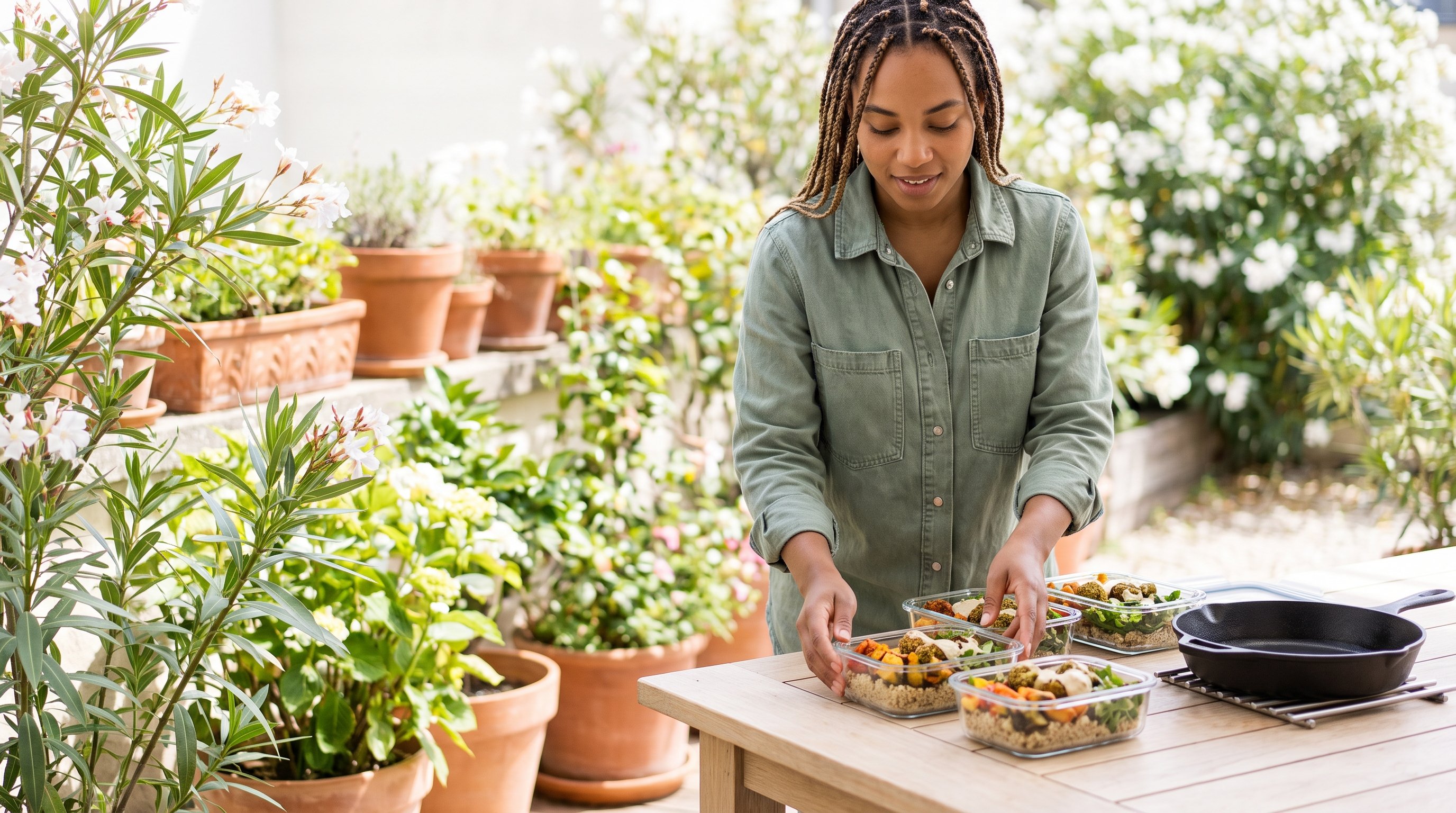
- Cook grains and beans in bigger batches - rice, lentils and chickpeas keep for days and turn five-minute meals into reality.
- Keep one pan and one tray in easy reach - the ones you actually use should never be buried at the back of a cupboard.
- Plan meals around what's already in the fridge - this cuts waste and removes the daily question of what to cook.
- Write a short shopping list before you shop - fewer decisions in the aisle means fewer impulse buys that don't fit the week.
How Often You Actually Need to Cook From Scratch
Cooking every single meal isn't the goal - consistency across most of the week is what actually changes what you eat.
A Realistic Weekly Split
Most people find a mix of fresh cooking and reheated leftovers gets them through a full week without burning out on either.
| Approach | Sessions Per Week | Best For |
|---|---|---|
| Cook fresh daily | 5 to 7 sessions | Flexible schedules |
| Batch two sessions | 2 longer sessions | Busy weekdays |
| Cook fresh, reheat rest | 3 to 4 sessions | Most households |
| One big batch only | 1 session | Very tight weeks |
Making Healthy Cooking Work Around a Real Schedule
The households that keep cooking going long-term aren't the ones with more free time - they're the ones who matched their approach to the week they actually have, not the week they wish they had.
A tired Tuesday doesn't need a new recipe. It needs whatever's already chopped, cooked or in the freezer from the weekend.
This is where a tailored meal plan built around food you already like removes a lot of the daily decision-making - Green Diet maps out vegetarian, vegan or plant-based meals so you're not improvising from scratch every night.
Pairing that with a short list of nutrition and health guides means the ideas behind each meal make sense too, not just the steps.
A Four-Week Plan for Building a Cooking Habit
This isn't about perfection in week one. It's about building the habit in a sensible order so it still feels doable by week four.
| Stage | Focus |
|---|---|
| Week 1 | Cook three simple dinners |
| Week 2 | Add one batch-cooked lunch |
| Week 3 | Prep vegetables ahead twice |
| Week 4 | Cook five days, reheat rest |
What Changes As Home Cooking Becomes Routine
The first couple of weeks usually feel slower than expected, because every step is new and nothing is automatic yet.
That's normal, and it passes once the basic recipes stop needing a recipe card at all.
The common drop-off point isn't lack of willpower - it's a busy week with no backup plan, where the easiest option quietly becomes takeaway again.
Having a couple of frozen portions or a quick fallback meal ready is usually enough to get through that one rough week without losing the habit entirely.
Mistakes That Make Home Cooking Feel Like a Chore
Trying New Recipes Every Night
Constant novelty means constant decisions, and decision fatigue is what makes cooking feel exhausting. Stick to a small rotation of meals you know well and save new recipes for when you've got spare time.
Buying Ingredients for One Dish Only
A recipe that needs five items used once each gets expensive and wasteful fast. Build meals around a shared base of grains, beans and vegetables that show up in more than one dish.
Skipping the Prep Step Entirely
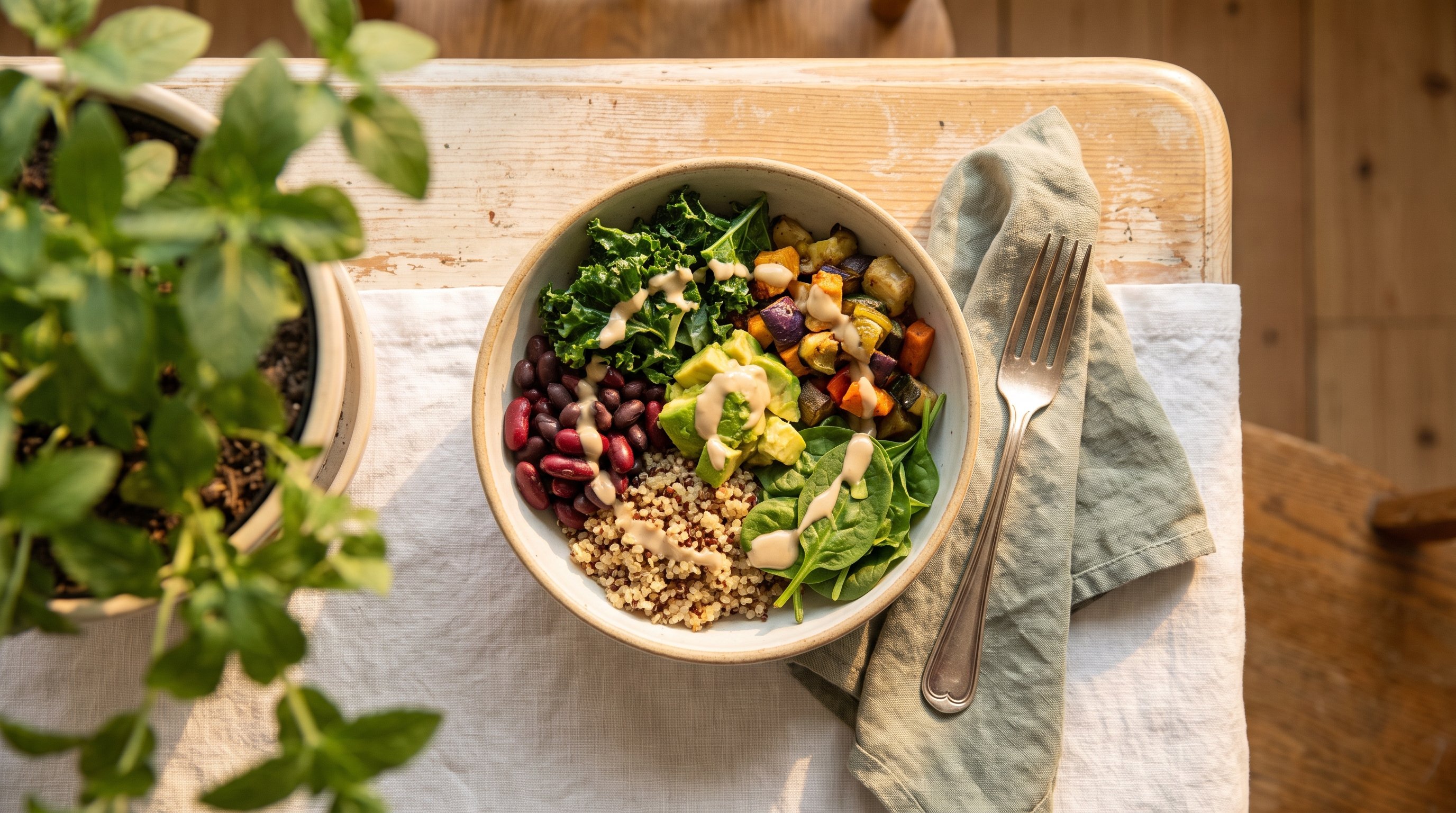
Showing up hungry with nothing chopped is how takeaway wins most nights. Even ten minutes of prep earlier in the day changes what feels possible by dinner.
Treating Leftovers As a Failure
Reheated food isn't a lesser meal - it's the whole point of batching in the first place. Cooking once and eating twice is still home cooking.
Ignoring What You'll Actually Eat
A perfectly balanced meal that sits untouched in the fridge helps nobody. Build the week around food you genuinely enjoy, then adjust it to be a bit more balanced.
Supporting Healthy Cooking Habits With Green Diet
Deciding what to cook every day is the part that wears people down, not the cooking itself.
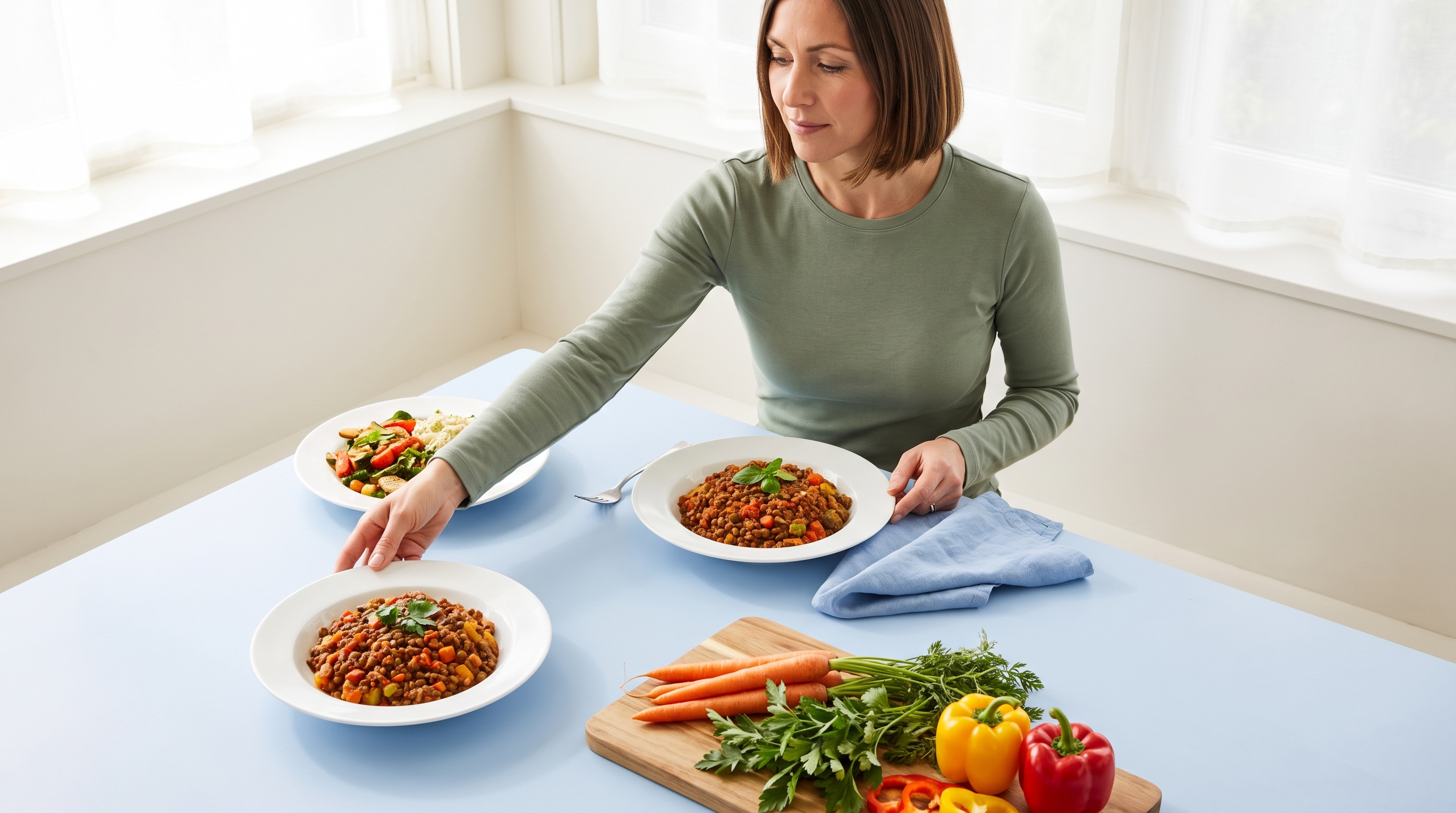
Green Diet handles that decision with a customized vegetarian, vegan or plant-based meal plan, so the groceries and the recipes are already matched to what's coming up that week.
Add in progress tracking for water, weight and steps, light guided exercises, and a rotating set of lifestyle challenges, and cooking becomes one piece of a wider routine instead of a separate task you have to manage alone.
Eat Clean Every Day
Natural Weight Loss Plan
Keeping Home Cooking Going Past the First Month
Pick one meal this week to cook from scratch using ingredients already in the kitchen - that's the entire starting point, nothing more complicated than that.
Healthy cooking holds up over time because it removes daily guesswork, and Green Diet is built to keep that guesswork out of the picture for good.
FAQ
It gives you control over oil, salt and portion size, which packaged or takeaway food usually doesn't. That control, repeated across most meals in a week, is what adds up.
Not if the week is built around batching grains, beans and vegetables rather than cooking every dish fresh from zero. A couple of longer sessions can cover several meals.
Start with one meal and one base recipe rather than trying to overhaul every dinner at once. Green Diet's meal plans lay out the steps so you're following a plan rather than building one from nothing.
A busy week with no backup meal ready is the usual cause, not lack of interest. Keeping a couple of frozen or pre-cooked portions on hand covers that gap without breaking the habit.
Share this post