Cheap Meal Prep Ideas: A Plant-Based Way To Save Money
By:Author:Green Diet Editorial
Updated on:October 18, 2026
- The Myth That Cheap Food Means Boring Food
- What Makes Plant-Based Meal Prep Actually Cheap
- Three Things That Decide Your Grocery Bill
- A Week of Cheap Meal Prep You Can Copy
- Making Cheap Meal Prep Work Around a Tight Schedule
- When Cheap Meal Prep Starts to Feel Normal
- Mistakes That Quietly Inflate a Food Budget
- Planning Cheap Meal Prep With Green Diet
- Keeping Your Grocery Costs Down Long Term
Cheap meal prep ideas work best when they're built around a handful of plant-based staples that stretch across several meals, not single-use ingredients bought for one recipe.
The mechanism is simple: beans, grains and frozen vegetables cost less per portion than meat, pre-made meals or anything sold in individual packaging, and buying them in bulk once a week cuts the number of trips where you grab something pricier out of convenience.
This article covers what actually keeps grocery costs down, a sample budget week you can copy, where people overspend without noticing, and how to make the habit stick past the first few weeks.
The Myth That Cheap Food Means Boring Food
The idea that cheap meals have to be plain rice and beans on repeat isn't true, and it's one of the main reasons people quit budget cooking after a week or two.
Cost comes down to the base ingredient, not the flavour, so a pot of lentils can become a curry one day and a taco filling the next just by changing the spices and sauces, which usually cost very little per use.
The honest answer is that variety takes a bit more planning than grabbing the same thing every week, but it doesn't take a bigger budget - just a rotation of a few sauces, spice blends and textures around the same core staples.
What Makes Plant-Based Meal Prep Actually Cheap
Two things do the heavy lifting here: buying staples that cost little per gram, and cooking in batches large enough that the effort of one session covers several meals.
Dried and Tinned Staples Carry the Weight
Dried beans, lentils, rice and oats cost less per portion than most fresh produce or any animal protein, and they store for months without going off.
Frozen Vegetables Close the Gap on Fresh Produce
Frozen vegetables are usually cheaper than fresh, don't spoil before you get to them, and cook into soups, stir-fries or grain bowls just as well.
Three Things That Decide Your Grocery Bill
Not every budget habit saves the same amount, so it helps to know which choices matter most.
What Actually Moves the Needle
- Buying in bulk - dried grains, beans and oats cost less per portion the larger the bag, and they don't expire quickly.
- Cooking once for several meals - one batch of a grain, one batch of a protein and one batch of a sauce can be mixed into different meals across the week.
- Shopping with a list built from what's already cheap - planning meals around what's on sale or in season keeps the basket close to staples instead of pricier extras.
A Week of Cheap Meal Prep You Can Copy
Here's a simple structure built around three base batches: a grain, a bean or lentil dish, and a mix of roasted or frozen vegetables.
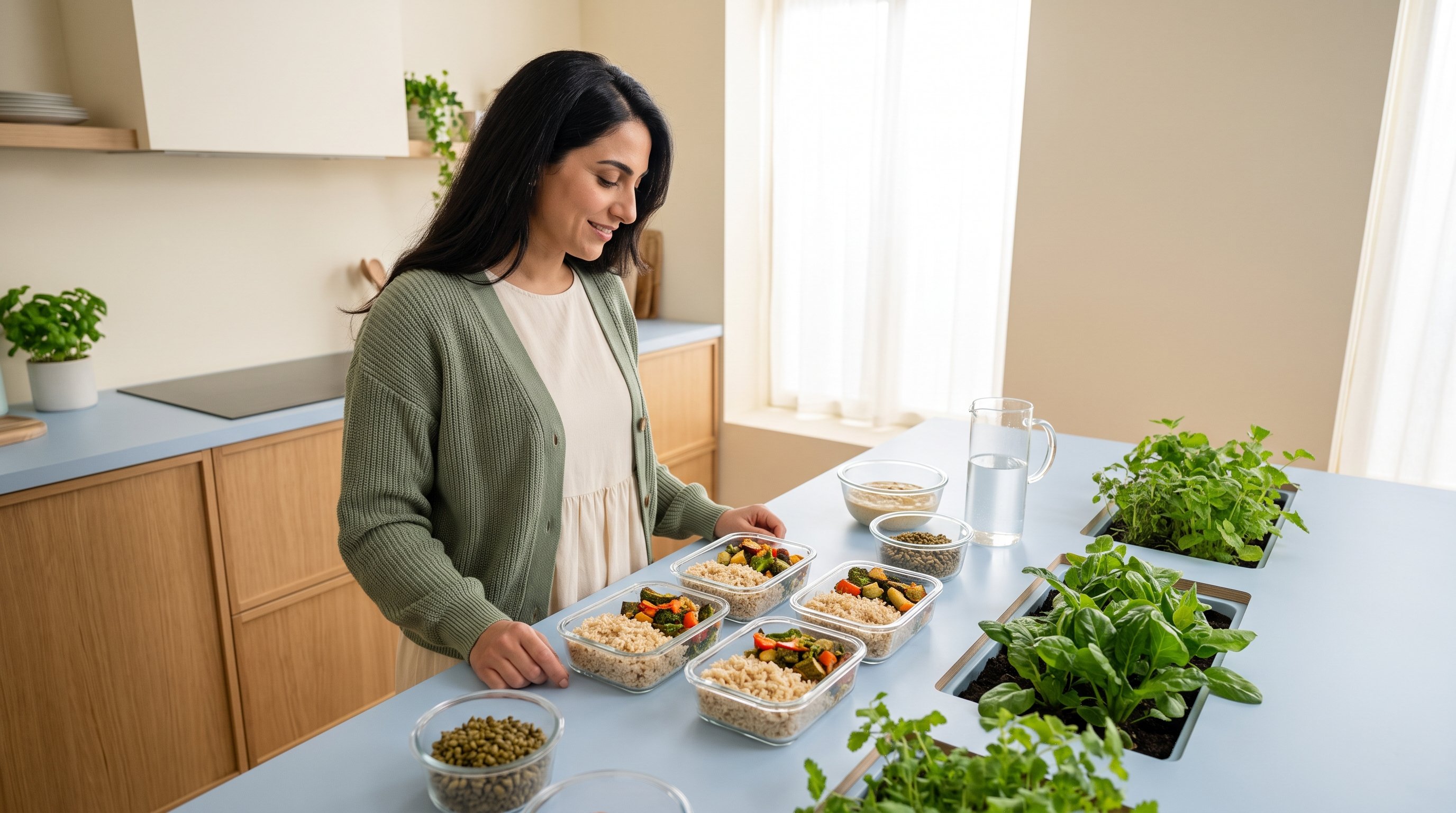
The Three Base Batches
- Grain batch - a large pot of rice, oats or pasta cooked once and split across several meals through the week.
- Bean or lentil batch - a pot of lentils or beans seasoned plainly at first, then flavoured differently each time it's served.
- Vegetable batch - a tray of roasted vegetables or a bag of frozen mixed vegetables, added to grain bowls, soups or wraps.
Mix and match these three across the week with a different sauce or spice each day - a curry paste one night, a tomato base the next, a squeeze of citrus and herbs after that - so nothing feels repeated even though the shopping list barely changes.
Making Cheap Meal Prep Work Around a Tight Schedule
The plan above only works if the prep session actually happens, which means fitting it into a slot you already have rather than finding a new one.
An hour on a day off, while something else is cooking or playing in the background, is usually enough to get the three base batches done and portioned into containers.
A meal plan built around food you already like makes this easier to repeat, since you're not relearning a new shopping list every week just to stay on budget.
When Cheap Meal Prep Starts to Feel Normal
The first couple of weeks usually take the most effort, mostly because you're figuring out which staples you actually like and how much to cook.
Around the point where you've repeated the same three or four base batches a few times, the shopping list gets shorter and the decisions get faster because you already know the rotation.
There's no fixed point where this clicks for everyone, but most of the friction is in the planning stage, not the cooking itself, so that's where it's worth paying attention early on.
Mistakes That Quietly Inflate a Food Budget
Buying Ingredients for One Recipe Only
Picking a recipe that needs an ingredient you'll never use again drives the bill up fast; stick to staples that show up in several meals instead.
Skipping the Plan and Shopping Hungry
Walking in without a list tends to end in pricier, less useful items in the basket; a short list built around what you already have avoids this.
Letting Prepped Food Go to Waste
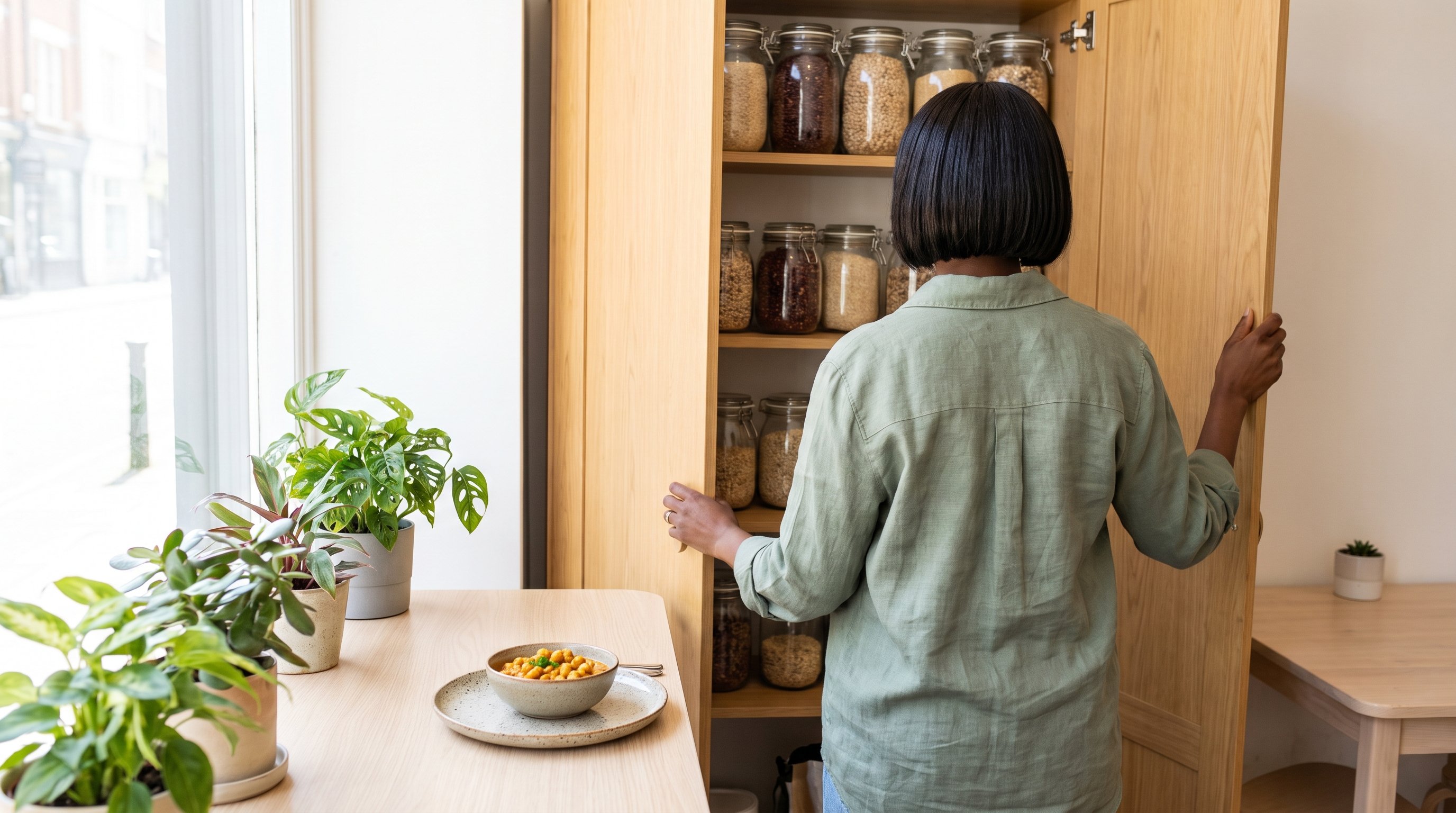
Cooking a big batch only for half of it to spoil cancels out the saving; freeze what you won't eat within a few days instead of leaving it in the fridge.
Treating Every Meal As a New Recipe
Constantly buying new ingredients for new dishes is expensive by design; reusing the same base batches in different combinations keeps costs down without extra effort.
Planning Cheap Meal Prep With Green Diet
Knowing which staples to buy is one thing, but turning them into a week of meals you'll actually eat is where most budget plans fall apart.
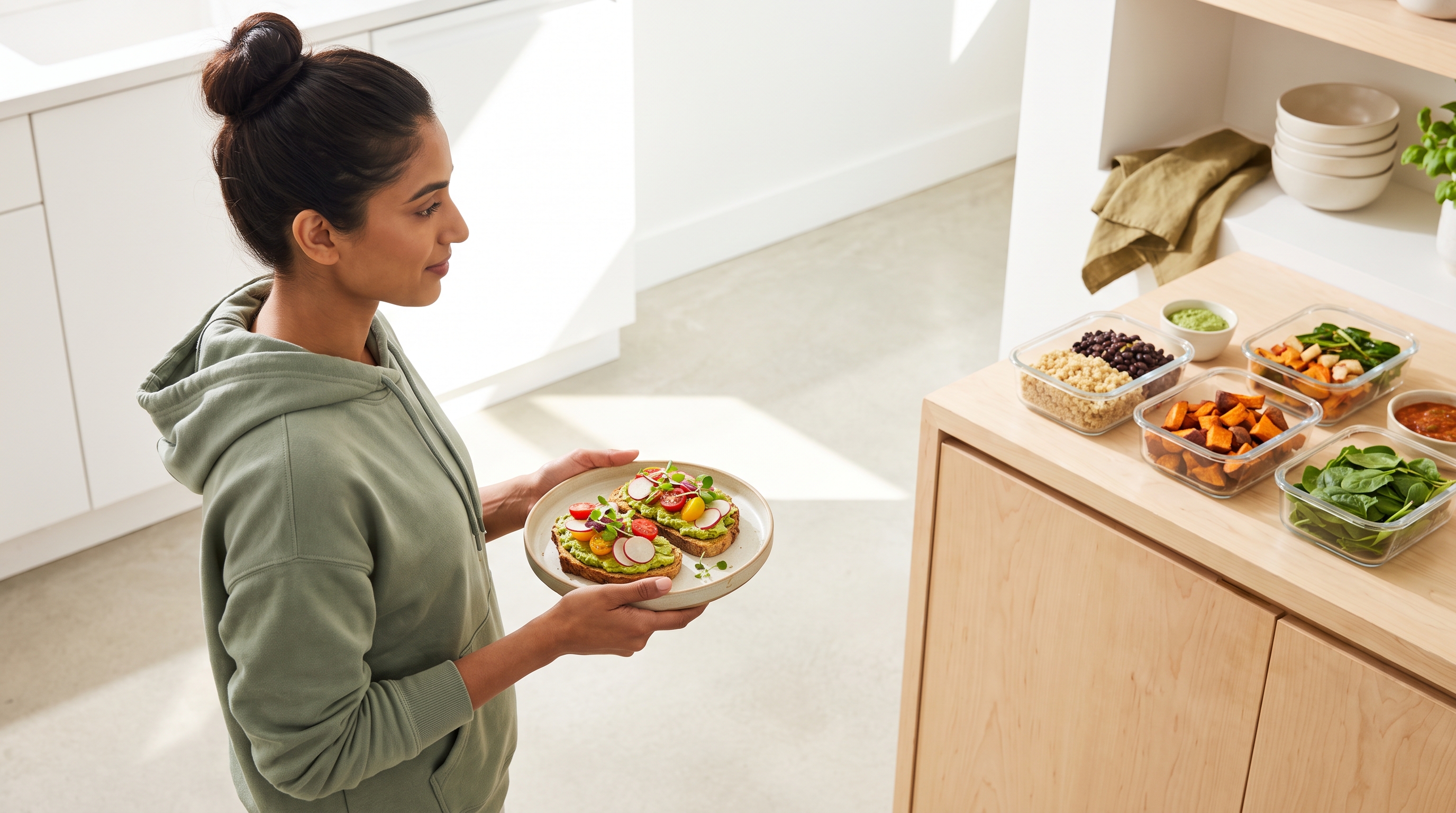
Green Diet builds a tailored vegetarian, vegan or plant-based meal plan around food you already like, so the rotation of grains, beans and vegetables above becomes a structured week instead of a guessing game.
It also keeps progress tracking, nutrition guides and challenges in one place, so budget cooking doesn't have to mean figuring everything out alone.
Eat Clean Every Day
Natural Weight Loss Plan
Keeping Your Grocery Costs Down Long Term
Cheap meal prep isn't about one perfect shopping trip, it's about repeating a small rotation of staples often enough that planning stops taking any real effort.
Pick three base batches for this week, cook them once, and let the meal planning feature handle the rest of the planning so the habit has a chance to stick.
FAQ
Start with one grain, one bean or lentil and one vegetable, all bought in bulk or frozen, and cook them in one session. Build the rest of the week's meals around those three batches instead of buying separate ingredients for each day.
The base ingredients repeat, but the sauces, spices and combinations don't have to, so the same lentil pot can taste completely different from one day to the next. Repetition in the shopping list is what keeps costs low, not repetition on the plate.
Most people can get three base batches done in about an hour, especially if a grain and a pot of beans or lentils are cooking at the same time. It fits into a slot you already have, like a day off or an evening with something else going on.
No, but a meal plan like Green Diet that's built around food you already like makes it faster to repeat week to week, which is where most of the saving comes from. Green Diet keeps the plan, the shopping pattern and your progress tracking in one place so the budget habit has less chance of falling apart.
Share this post