Plant Based Protein Sources: A Simple Guide To Eating Enough
By:Author:Green Diet Editorial
Updated on:October 18, 2026
- Building a Day Around Plant Based Protein
- How Much Plant Protein Actually Covers a Day
- Making Plant Protein Work on an Ordinary Day
- A Four-Stage Start for Plant Based Protein
- When Plant Protein Habits Start to Feel Normal
- Mistakes That Quietly Limit Plant Protein Intake
- Letting Green Diet Handle the Plant Protein Planning
- Keeping Plant Protein Simple Going Forward
Plant based protein sources are foods like beans, lentils, tofu, tempeh, edamame, nuts, seeds, whole grains and plant-based protein powders - and together they can cover what most people need without touching meat or dairy.
The mechanism is straightforward: protein is protein once it's broken down into amino acids, so the body doesn't much care whether it came from a bean or a chicken breast, as long as enough variety and quantity show up across the day.
This guide covers which foods actually count, how much you realistically need, a simple way to build meals around them, and the mistakes that trip people up in the first few weeks.
Building a Day Around Plant Based Protein
There's no single perfect formula, but there is a repeatable process that works for most people trying to get enough protein from plants.

A Simple Process for the Day
- Pick a protein anchor for each meal - a scoop of lentils, a block of tofu, a handful of edamame, something that isn't an afterthought.
- Pair it with a grain or starch - rice, oats, wholemeal bread or quinoa so the meal actually fills you up.
- Add a source of fat - nuts, seeds, or olive oil help you absorb what you're eating and keep meals satisfying.
- Spread protein across three or four eating moments - rather than loading it all into one meal, split it through the day.
- Mix plant families over the week - beans one day, tofu another, seeds in between, so amino acid profiles overlap.
- Check in at dinner - if lunch was light on protein, make dinner do more of the work.
- Repeat until it needs no thought - the first two weeks take planning, after that it becomes a habit.
None of this needs to be exact. The goal is a rough rhythm you can repeat without checking a chart every day.
How Much Plant Protein Actually Covers a Day
Common Foods and Roughly What They Offer
Different plant foods carry very different amounts of protein per serving, which is why relying on just one source rarely works well.
| Food | Serving | Protein |
|---|---|---|
| Cooked lentils | 200 g | Around 18 g |
| Tofu, firm | 150 g | Around 15 g |
| Edamame | 150 g | Around 17 g |
| Chickpeas, cooked | 200 g | Around 15 g |
| Peanut butter | 2 tbsp | Around 8 g |
Stack two or three of these across a day and the numbers add up quickly without needing to eat unusual quantities of any one food.
Making Plant Protein Work on an Ordinary Day
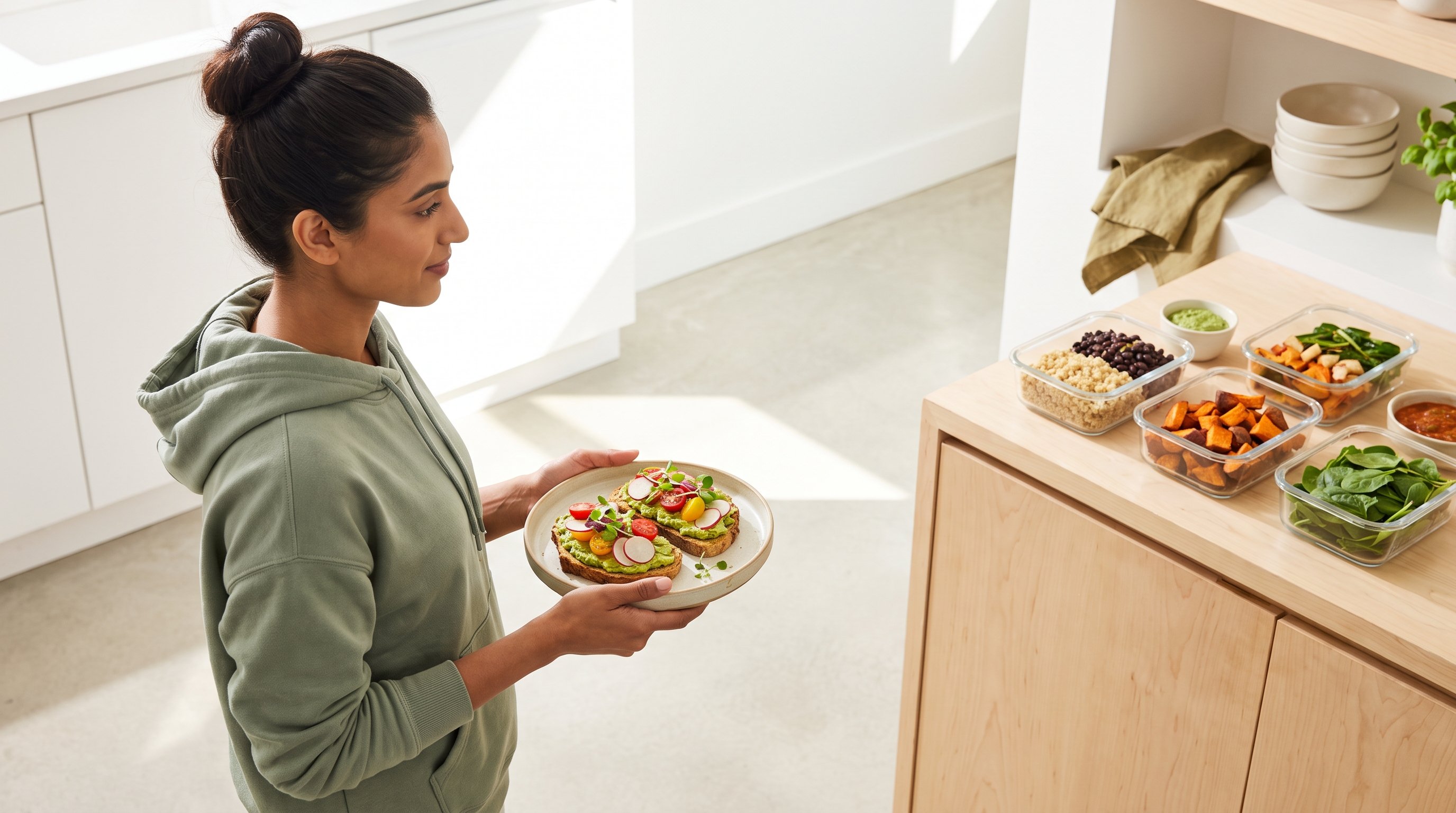
Busy mornings, packed lunches and tired evenings are where most protein intentions fall apart, not because the food is hard to find but because planning gets skipped.
Keeping a short rotation of go-to meals - a lentil soup, a tofu stir fry, a chickpea salad - removes the daily decision and makes it far less likely a meal ends up protein-light.
This is exactly where a meal plan built around food you already like helps, and it's the kind of groundwork Green Diet is designed to take off your hands, since its customized vegetarian, vegan or plant-based meal plans build protein sources into meals automatically rather than leaving it to guesswork.
Pairing that with simple progress tracking for things like water and weight means protein isn't the only habit you're trying to hold together at once.
A Four-Stage Start for Plant Based Protein
The order below matters more than hitting exact numbers in week one.
| Stage | Focus |
|---|---|
| Stage 1 | Add one protein anchor to every meal |
| Stage 2 | Build a rotation of three go-to meals |
| Stage 3 | Spread protein evenly across the day |
| Stage 4 | Mix in new plant sources for variety |
By stage four, most people aren't thinking about protein as a separate task anymore - it's just built into how meals get put together.
When Plant Protein Habits Start to Feel Normal
The first couple of weeks usually involve more label-reading and recipe-checking than anyone expects, and that's normal rather than a sign something's wrong.
Somewhere past that early stretch, reaching for beans or tofu stops being a decision and starts being a default, the same way reaching for bread or rice already is.
There's no fixed point where this clicks for everyone, so it's more useful to judge progress by how automatic the routine feels than by watching a calendar.
Mistakes That Quietly Limit Plant Protein Intake
Relying on One Source for Everything
Eating only one plant protein, like bread or pasta, misses out on the variety that rounds out amino acid intake - rotate between legumes, soy foods, nuts and seeds instead.
Treating Protein As a Snack Afterthought
Adding a handful of nuts as an extra doesn't replace a proper protein anchor in the meal itself - build it into the main plate, not around the edges.
Skipping Breakfast Protein Entirely
A protein-light breakfast often means playing catch-up for the rest of the day - oats with nut butter or a tofu scramble closes that gap early.
Assuming More Always Helps
Protein needs are not unlimited, so piling on extra servings past what a day calls for adds food without adding benefit - consistency across meals matters more than volume in one sitting.
Giving Up After One Bland Meal
A single underseasoned lentil dish can put people off the whole category - herbs, spices and sauces make plant proteins taste like food worth eating again.
Letting Green Diet Handle the Plant Protein Planning
Working out which plant foods to combine, how often, and in what quantity is the part that wears people down, not the eating itself.
Green Diet takes that planning off your plate with a customized vegetarian, vegan or plant-based meal plan built around your preferences, so protein sources are already worked into meals rather than something you calculate separately.
Add in light guided exercises, step and water tracking, and nutrition guides written to support the eating side of things, and the whole routine sits in one place instead of several scattered habits.
Eat Clean Every Day
Natural Weight Loss Plan
Keeping Plant Protein Simple Going Forward
Plant based protein sources don't need a complicated system - a handful of reliable foods, spread across the day, covers most of what matters.
Pick one meal today and add a protein anchor to it, then build from there; if the planning side feels like too much to hold in your head, Green Diet is built to carry that part for you.
FAQ
Yes, combining legumes, soy foods, nuts, seeds and whole grains across the day covers protein needs for most people. Variety matters more than any single food doing all the work.
Individual plant foods can be lower in certain amino acids, but eating a mix of legumes, grains, nuts and seeds over the day fills those gaps. You don't need to combine them in the same meal, just across the week.
Batch cooking a pot of lentils or chickpeas once and storing portions removes the daily effort. A meal plan from Green Diet can also take the decision-making out of which protein to cook and when.
Motivation dips once the novelty wears off and planning slips. Keeping a short rotation of two or three go-to meals makes it easier to stay consistent without relying on willpower alone.
Share this post