High Protein Snacks: The Complete Guide
By:Author:Green Diet Editorial
Updated on:October 18, 2026
- Do High Protein Snacks Actually Make a Difference
- What Makes a Snack Count As High Protein
- How Many Grams of Protein a Snack Should Carry
- Grabbing Whole Food Snacks Versus Protein Bars
- Making High Protein Snacking Fit a Normal Day
- The Myth That Snacking More Protein Burns Fat Faster
- What Actually Decides Whether Snacking Helps You
- Mistakes That Undercut a High Protein Snack Routine
- Planning High Protein Snacks With Green Diet
- Keeping Your Snack Rotation Simple Going Forward
A high protein snack is simply food eaten between meals that gives you a meaningful dose of protein, usually somewhere around 10 to 20 grams, rather than mostly sugar or refined starch.
Protein takes longer to digest than simple carbohydrates, so a snack built around it tends to hold off hunger for longer and gives your body material to maintain muscle through the day.
This guide covers whether these snacks actually do anything, how much protein a snack needs to count, easy options to build a routine around, and the mistakes that quietly undo the whole idea.
Do High Protein Snacks Actually Make a Difference
The mechanism is straightforward: protein slows digestion and blunts the sharp hunger spike that plain carbohydrate snacks can cause.
A snack with 15 grams of protein and some fibre sits in your stomach longer than a biscuit with the same calories, which means less temptation to overeat at the next meal.
Here's the honest arithmetic: if a mid-afternoon snack is 200 calories either way, swapping a low-protein option for a high-protein one does not burn anything extra. It changes how satisfied you feel and what you reach for next, which is where the real effect sits.
Over a week of snacking twice a day, that steadier hunger pattern adds up to fewer impulsive extra bites, not a direct calorie-burning trick.
What Makes a Snack Count As High Protein
Two things decide whether a snack earns the label: the protein source itself and how much of it actually lands in your bowl or hand.
The Source Matters More Than the Packaging
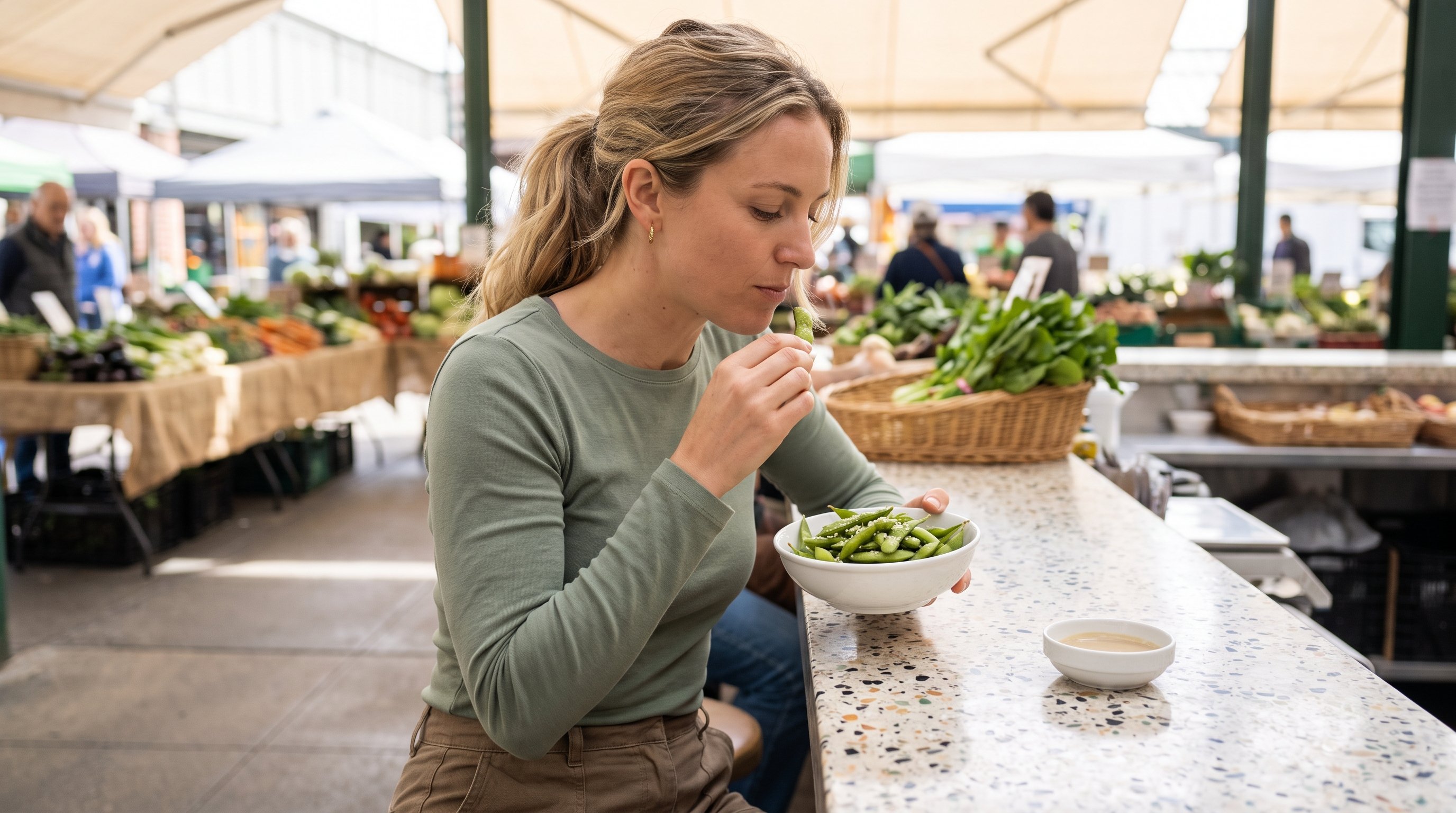
Legumes, soy foods, nuts, seeds and whole grains all carry protein, but the amount per calorie varies a lot. A handful of edamame or a scoop of hummus brings far more protein per calorie than a handful of crackers, even if both look similarly 'wholesome' on a shelf.
Portion Size Decides If It's Actually Enough
A tablespoon of peanut butter has protein in it, but not enough on its own to count as a proper snack. Pairing it with something like a portion of chickpeas or a soy yoghurt gets the total into a range that actually does something for hunger.
How Many Grams of Protein a Snack Should Carry
As a rough guide, a snack with less than 5 grams of protein is really just a small bite; one with 10 to 20 grams is doing the job of holding hunger off between meals.
Building Snacks Around a Target Number
Aim for roughly 10 to 15 grams per snack if you're eating two snacks a day alongside three meals. That means checking labels or rough estimates rather than guessing, since plant foods vary a lot in protein density.
| Snack | Protein |
|---|---|
| Edamame, 1 cup | About 17g |
| Hummus with vegetables | About 7g |
| Soy yoghurt, 1 pot | About 10g |
| Roasted chickpeas, handful | About 7g |
| Mixed nuts, small handful | About 6g |
Grabbing Whole Food Snacks Versus Protein Bars
Protein bars are convenient, but whole food snacks like edamame, roasted chickpeas or a soy yoghurt tend to be easier to stick with over months because they don't rely on a specific product being in the cupboard.
A bar works well when you're out and need something fast, but whole foods win on adherence because they're flexible: you can swap, double up, or use leftovers from dinner.
Neither approach is wrong, but the one you'll actually repeat for weeks is the one worth building a habit around, not the one that looks better on paper.
Making High Protein Snacking Fit a Normal Day
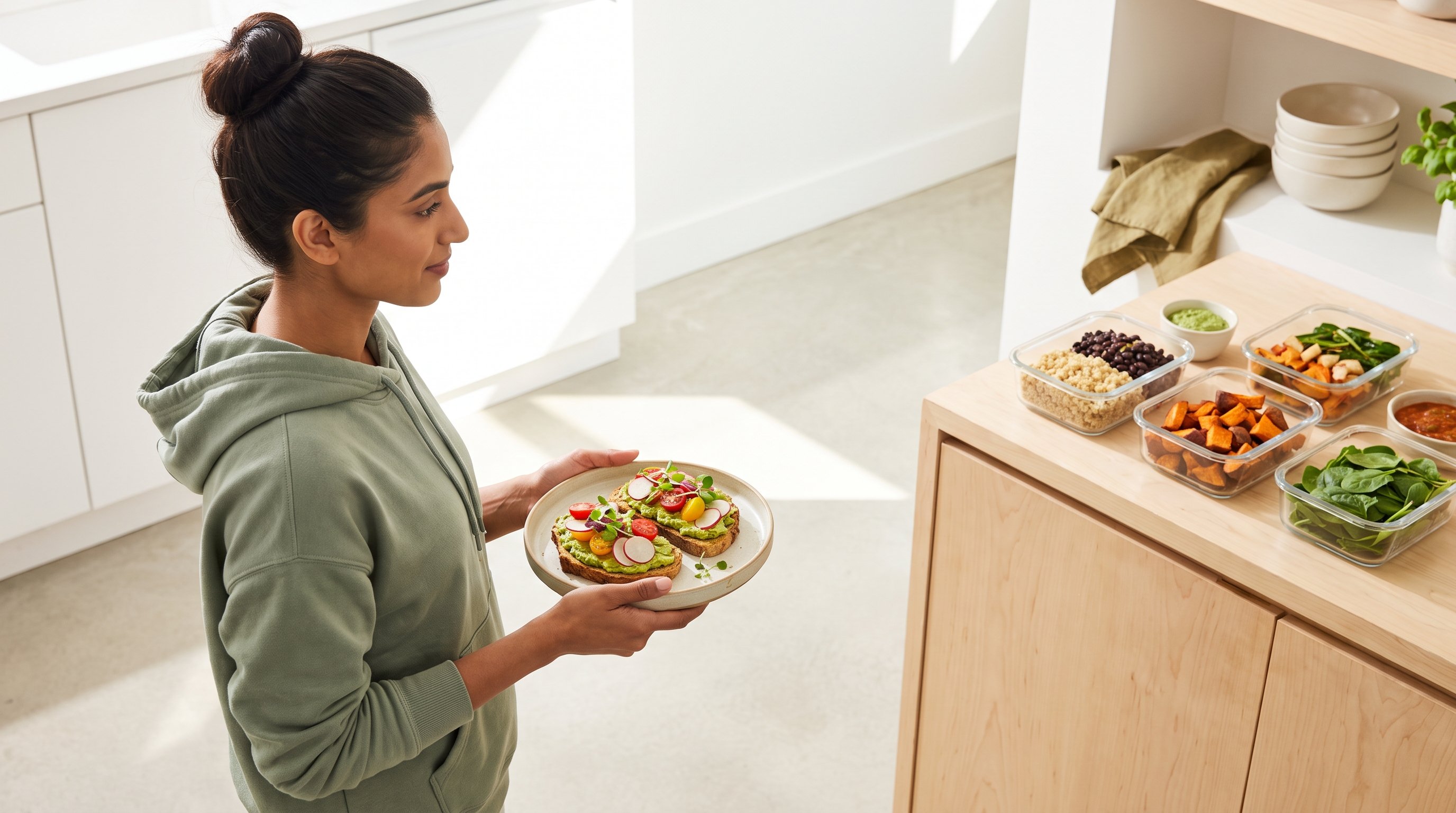
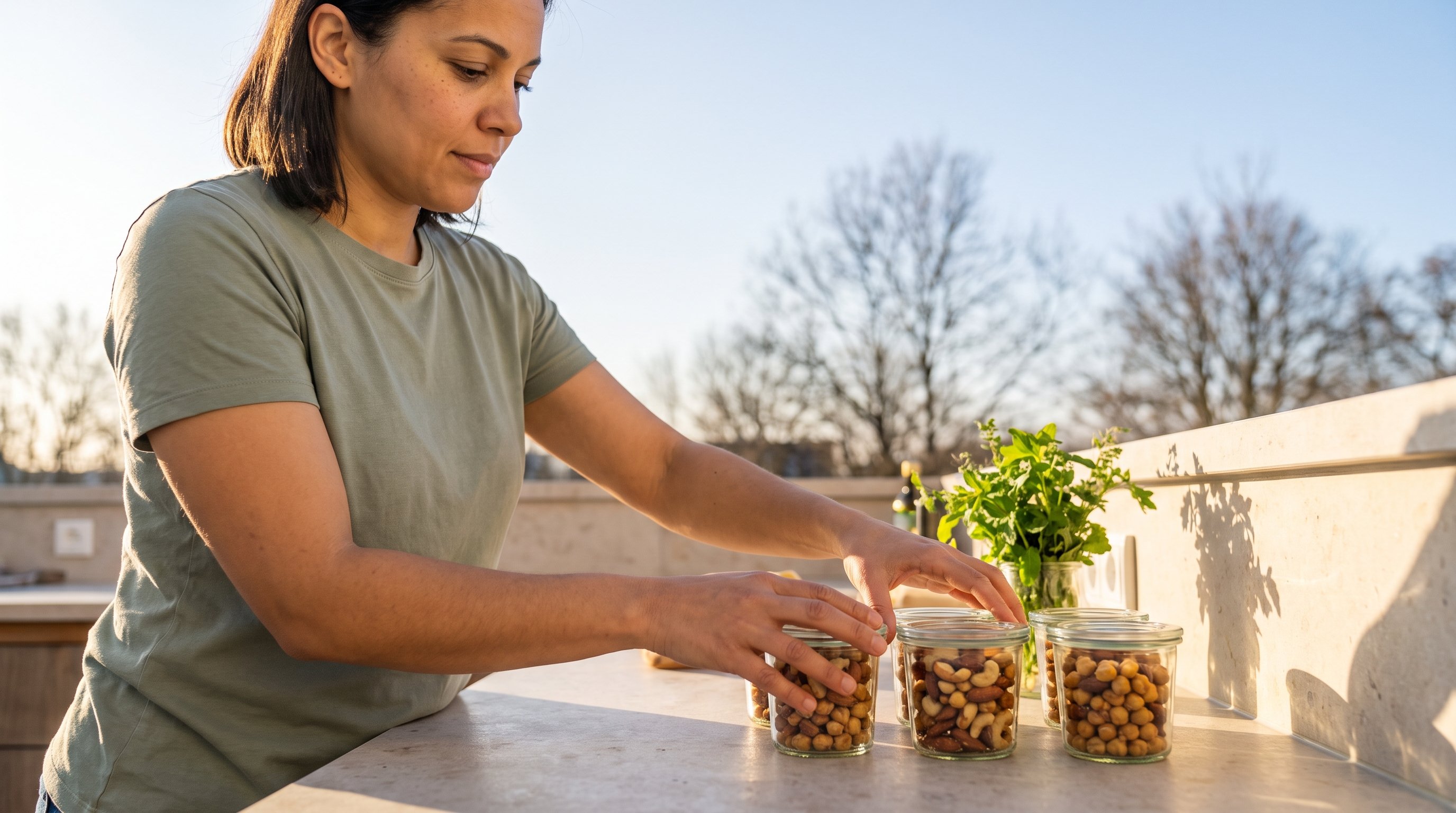
Most snacking mistakes happen because nothing is prepped, so the easiest fix is batching a few options at the start of the week rather than deciding fresh every afternoon.
Keeping a small rotation, roasted chickpeas, a tub of hummus, a bag of edamame, means there's always something ready when hunger hits mid-morning or mid-afternoon.
A meal plan built around food you already like makes this simpler, since Green Diet's customized plant-based plans can slot high protein snacks into your day alongside your main meals rather than leaving them as an afterthought.
The Myth That Snacking More Protein Burns Fat Faster
No single snack burns fat, and no snack targets a specific area of the body. That's not how digestion or fat storage works, no matter what a label implies.
What a high protein snack actually does is help you feel fuller for longer and support muscle maintenance, which matters if you're also moving more or eating in a calorie deficit.
The real answer is less exciting but more useful: protein snacks are a tool for appetite control, not a shortcut around the basic arithmetic of calories in and calories out.
What Actually Decides Whether Snacking Helps You
Three things separate a snack habit that works from one that just adds extra calories without any benefit.
The Factors That Matter Most
- Total protein across the day - a great snack doesn't matter much if the rest of your meals are low in protein too.
- Portion awareness - nuts and nut butters are easy to overdo since they're calorie-dense, so a measured handful beats an open bag.
- Consistency over weeks - one good snack choice today does little; a repeatable rotation over months is what shows up in how you feel.
Mistakes That Undercut a High Protein Snack Routine
Treating Any Bar As High Protein
Plenty of snack bars are mostly sugar with a small protein boost on the label. Check that protein actually makes up a decent share of the calories before calling it a protein snack.
Skipping Prep and Grabbing Whatever's Closest
Without anything ready, convenience usually wins over intention. Batch a few portions of chickpeas, edamame or hummus at the start of the week so the easy option is also the high protein one.
Stacking Snacks on Top of Full Meals
If meals are already filling, adding snacks on top just adds calories without the hunger-control benefit. Snacks work best replacing an urge to overeat, not stacking on a day that's already covered.
Ignoring Portion Size on Calorie-Dense Options
Nuts, seeds and nut butters pack a lot of calories into a small volume. A measured tablespoon or small handful keeps the protein benefit without quietly adding hundreds of extra calories.
Planning High Protein Snacks With Green Diet
Once you know roughly how much protein a snack needs and which plant foods deliver it, the remaining challenge is just keeping it up without a lot of daily decision-making.
Green Diet builds customized vegetarian, vegan or plant-based meal plans that factor snacks into the day alongside meals, so you're not left guessing what to reach for at 3pm.
Progress tracking in the app keeps water intake, steps and weight in one place too, so snacking choices sit inside a wider picture of your week rather than existing as a separate decision.
Eat Clean Every Day
Natural Weight Loss Plan
Keeping Your Snack Rotation Simple Going Forward
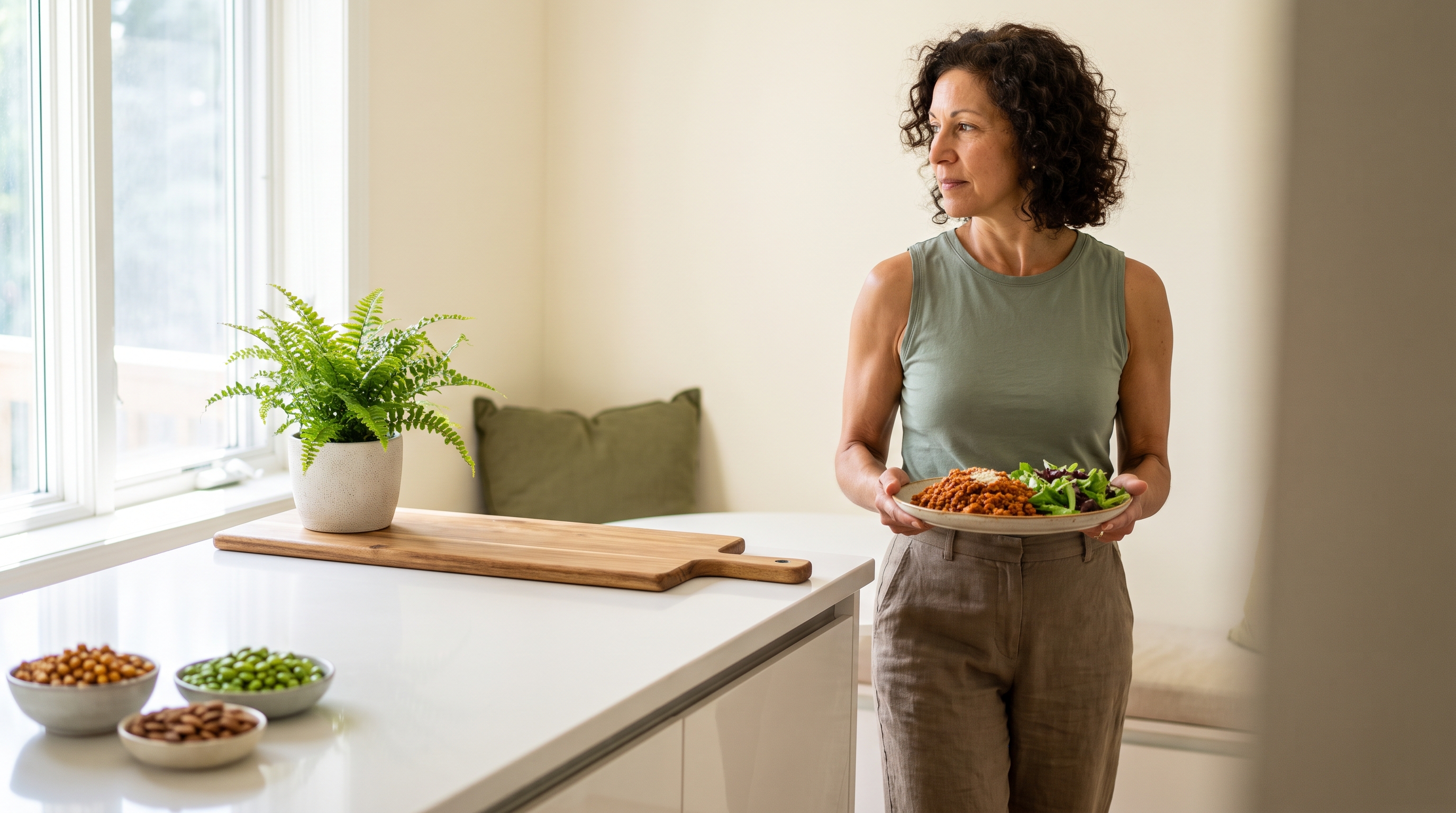
Pick two or three high protein snacks you actually enjoy, prep them once a week, and let that rotation do the work instead of reinventing your choices daily.
Green Diet can help fold that rotation into a wider plan, so snacking supports the rest of your day rather than sitting apart from it.
FAQ
Aim for roughly 10 to 15 grams if you're having two snacks a day alongside three meals. Less than 5 grams is really just a small bite rather than a proper protein snack.
Bars are convenient but whole foods like edamame or hummus tend to be easier to stick with long-term since they don't depend on having a specific product on hand. Either can work, but the one you'll actually repeat is the one worth building around.
Batching a few portions once at the start of the week, roasted chickpeas or edamame into small containers, removes the daily decision entirely. Green Diet's meal plans build snacks into the weekly structure so there's less last-minute scrambling.
Most people stop prepping once life gets busy, and without anything ready, convenience wins over intention. Keeping the rotation small, just two or three go-to options, makes it easier to sustain than a long rotating list.
Share this post