Gut Health Foods: A Simple Plant-Based Way To Eat Daily
By:Author:Green Diet Editorial
Updated on:October 18, 2026

- The Myth That One Food Fixes Your Digestion
- What Plant Diversity Actually Does for Digestion
- Three Things That Decide If It Pays Off
- A Sample Day Built Around Gut-Friendly Plants
- Fitting Fibre-Rich Plants Into a Normal Week
- When Eating This Way Starts to Feel Normal
- Mistakes That Quietly Limit Gut-Friendly Eating
- Planning Gut-Supporting Meals With Green Diet
- Making Plant Variety Part of Your Routine
The simplest answer: eating a wider mix of plants, especially fibre-rich ones, gives the bacteria living in your digestive tract more to work with. That variety matters more than any single ingredient.
Your gut hosts trillions of bacteria that ferment fibre you can't digest yourself, producing compounds that support how your body functions day to day. Feed them a narrow diet and they have less to do; feed them a varied one and they have more raw material to break down.
This guide covers what actually changes the picture, what a normal day of eating this way looks like, where people usually drop the habit, and how to keep it simple without chasing one magic food.
The Myth That One Food Fixes Your Digestion
No single food sorts out digestion overnight, no matter how it's marketed. A food can't cure anything or reverse years of eating patterns in one bowl.
The real mechanism is cumulative. Fibre and plant diversity work because of repetition, not because one ingredient has special powers.
The honest version: a wide range of plant foods, eaten regularly, gives your gut bacteria consistent fuel. That's slower and less exciting than a miracle claim, but it's the part that actually holds up.
What Plant Diversity Actually Does for Digestion
Different plants carry different types of fibre, and your gut bacteria specialise in breaking down different types.
Fibre Feeds Bacteria, Not Just You
Fibre passes through your small intestine mostly intact and reaches your large intestine, where bacteria ferment it. That fermentation is the actual mechanism behind most of the benefit people associate with gut-friendly eating.
Variety Beats Volume
Eating a large amount of one fibre source feeds a narrower set of bacteria than eating smaller amounts from several sources. Thirty different plants a week, even in small portions, does more for diversity than one giant serving of a single vegetable.
Three Things That Decide If It Pays Off
Not everyone who adds a few fibre-rich foods notices a difference right away. These three factors decide whether the effort actually adds up.
What Determines the Result
- How varied your plants are - a dozen different vegetables, grains and legumes across a week does more than repeating the same three.
- How consistent you are - gut bacteria respond to a steady supply, not an occasional big salad.
- How quickly you increase fibre - jumping from very little to a lot in one week often causes discomfort; a gradual build is easier to sustain.
A Sample Day Built Around Gut-Friendly Plants
Here's one way a normal day could look, mixing fibre types without needing anything unusual.
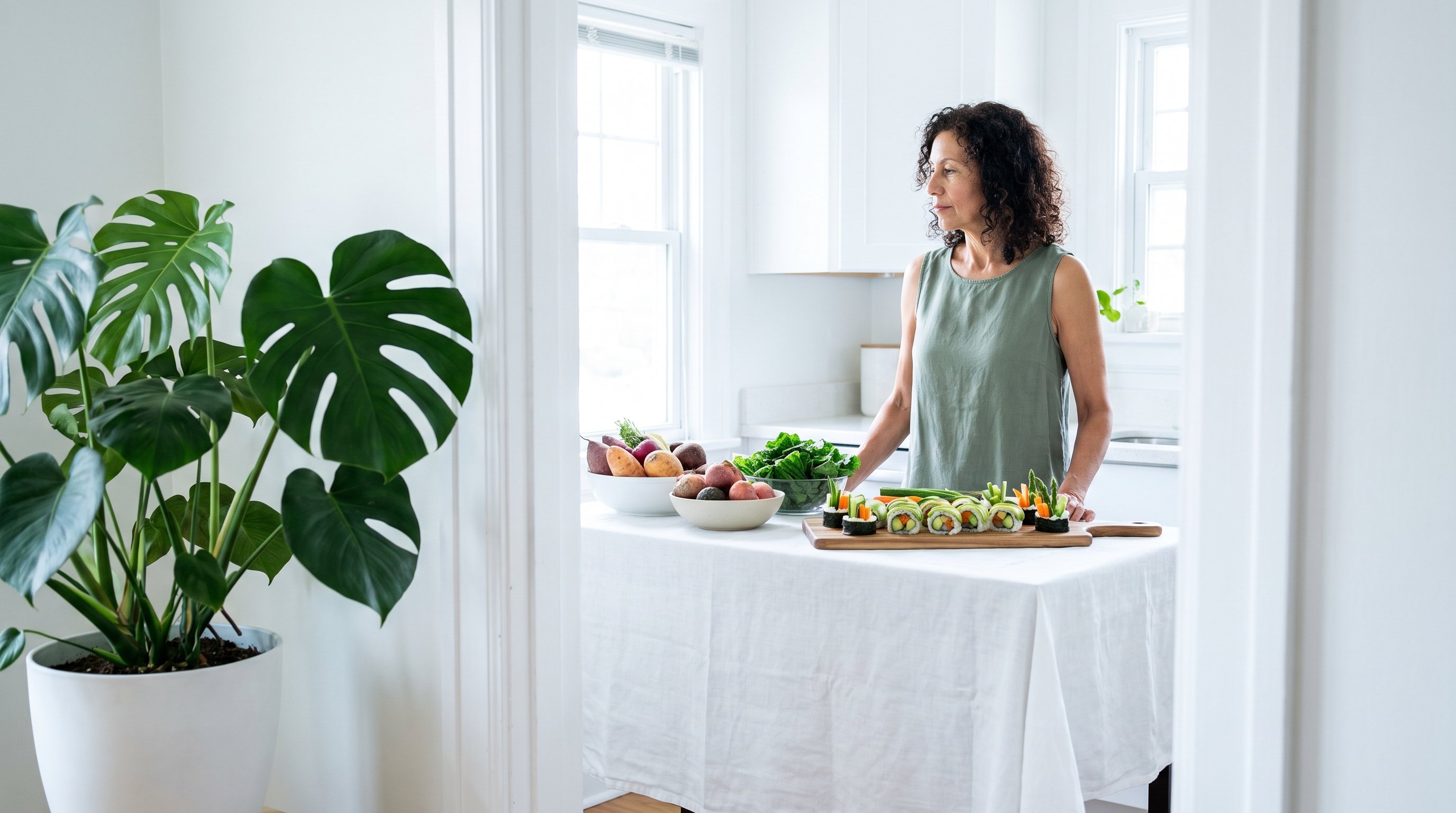
A Day You Can Copy
- Breakfast - oats with chopped apple, a spoon of ground flaxseed and a handful of berries.
- Lunch - a grain bowl with brown rice, chickpeas, roasted peppers and leafy greens.
- Snack - a handful of walnuts with a piece of fruit.
- Dinner - lentil soup with carrots, celery and a side of wholegrain bread.
- Through the day - water alongside meals to help fibre move through comfortably.
Fitting Fibre-Rich Plants Into a Normal Week
Nobody needs to overhaul their shopping list in one go. Swapping white rice for brown, adding beans to a dish you already cook, or tossing a handful of seeds onto breakfast all count.
The goal is repetition, not perfection, so small swaps that stick beat an ambitious plan that lasts three days.
A meal plan built around food you already like makes this easier to sustain, which is where Green Diet comes in - it can structure plant-based meals around your preferences so the variety happens without constant decision-making.
When Eating This Way Starts to Feel Normal
Expect the early stage to feel like effort - checking labels, planning meals, remembering to add the extra vegetable. That part fades once the habit settles in, though the timeline varies from person to person.
Most people find the biggest drop-off point is the first couple of weeks, before new choices become automatic. Pushing through that stretch with simple, repeatable meals matters more than any single perfect day.
Mistakes That Quietly Limit Gut-Friendly Eating
Relying on One Vegetable
Eating the same salad every day feeds a narrow set of bacteria. Rotate between a few different vegetables, grains and legumes across the week instead.
Skipping the Skins
Peeling fruit and vegetables removes a chunk of their fibre. Where it's practical, leave skins on.
Adding Fibre Too Fast
A sudden jump from low to high fibre can cause bloating. Build up gradually over a couple of weeks.
Forgetting Water
Fibre needs fluid to move through your system comfortably. Keep water intake steady as fibre goes up.
Treating Supplements As a Shortcut
A fibre supplement can't replicate the full mix of compounds found in whole plants. Whole food should stay the base of the plan.
Planning Gut-Supporting Meals With Green Diet
Eating a wider range of plants regularly is simple in theory and harder in practice when you're juggling work, meals and everything else.
Green Diet builds customized vegetarian, vegan or plant-based meal plans around your preferences, so the variety of grains, legumes and vegetables shows up without extra planning on your end. Pair that with its progress tracking for water intake and the nutrition guides covering plant-based eating, and the habit has structure behind it instead of guesswork.

Eat Clean Every Day
Natural Weight Loss Plan
Making Plant Variety Part of Your Routine
Start smaller than you think you need to: one extra vegetable at dinner, one swap at breakfast, one new grain this week. The habit builds from repetition, not from a dramatic first day.
Green Diet can take the guesswork out of which plants to rotate through, leaving you to focus on just showing up and eating the plan.
FAQ
There's no fixed timeline, since it depends on your starting diet and how consistent you are. Most people find it easier to judge after a few weeks of steady eating rather than a single week.
No, the approach is about adding variety rather than restriction. Fitting in more plants alongside what you already eat is usually more sustainable than cutting things out.
That's common when fibre increases quickly, so slowing the pace and adding foods gradually usually helps. Drinking enough water alongside meals also makes a difference.
It depends on how much time you want to spend deciding what to cook each week. Green Diet handles the meal planning side so the variety happens automatically, which some people find easier to stick with than planning from scratch.
Share this post