Low Impact Workout: The Complete Guide
By:Author:Green Diet Editorial
Updated on:October 18, 2026
- The Myth That Gentle Means Pointless
- What Makes a Workout Low Impact in Practice
- Three Factors That Decide the Payoff
- A Realistic Low Impact Week You Can Copy
- Making Low Impact Training Fit a Busy Week
- Where Most People Lose Momentum
- Mistakes That Undercut a Low Impact Routine
- Pairing a Low Impact Workout Plan With Green Diet
- Starting Your Own Low Impact Routine Today
A low impact workout keeps one foot on the ground at all times, which takes the jarring landing force out of exercise while the muscular and cardiovascular effort stays real.
The mechanism is simple: your joints absorb less shock, so you can train more often without the soreness or strain that stops a habit in its tracks.
This guide covers what low impact training actually does, how to structure a week, where people get it wrong, and how to keep it going long after the first attempt.
The Myth That Gentle Means Pointless
A common assumption is that if a workout doesn't leave you wrecked, it isn't doing anything.
That's not how muscles or hearts work. Effort comes from resistance, tempo, and time under tension, not from how hard your feet slam into the floor.
A low impact session can raise your heart rate, challenge your muscles, and still protect your knees, hips and ankles from repeated jarring - it's a different route to effort, not a smaller one.
What Makes a Workout Low Impact in Practice
Two things decide whether a workout counts as low impact: how your feet contact the ground, and how much load travels through your joints at once.
Ground Contact and Joint Load
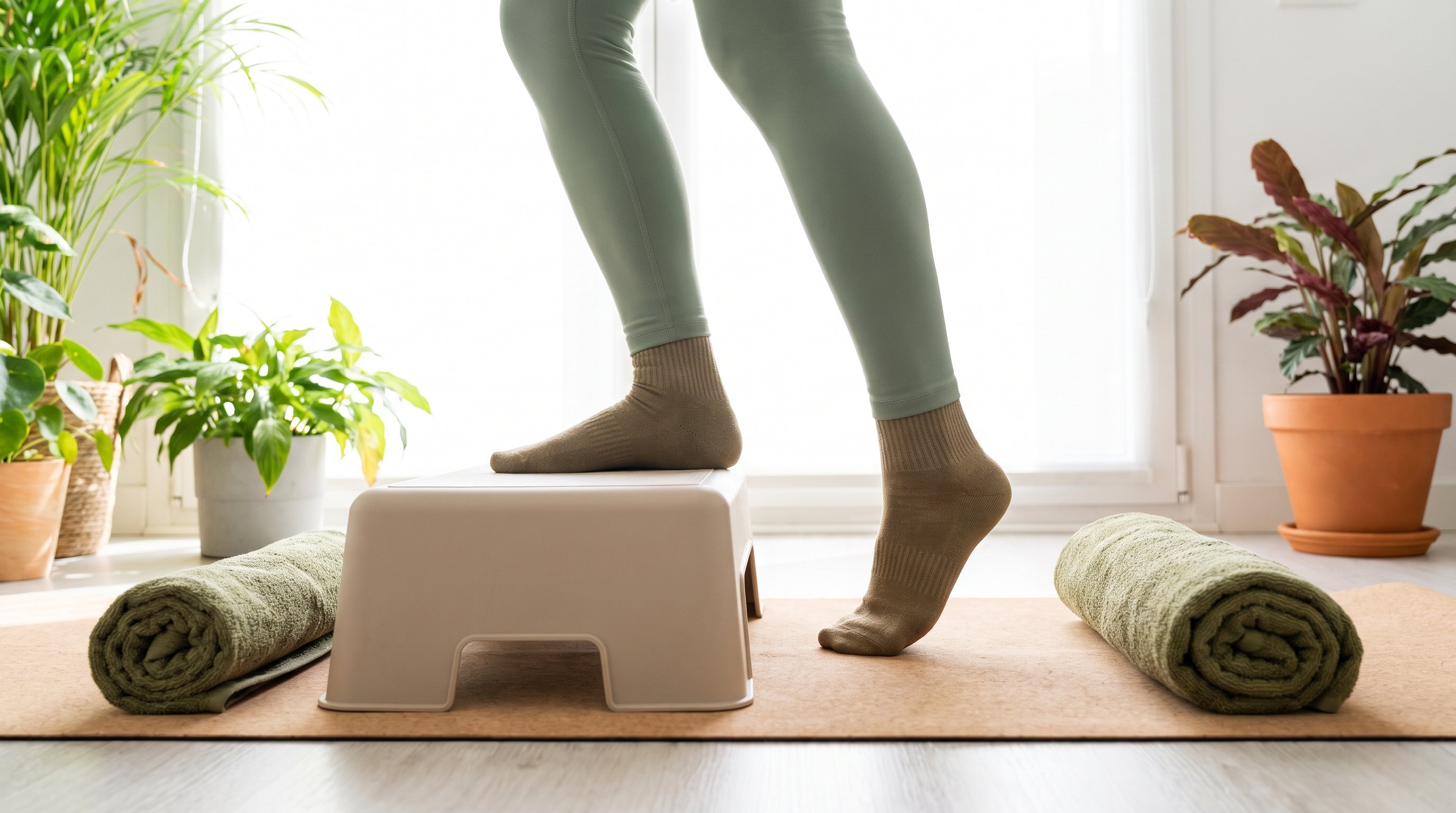
Running, jumping and skipping all involve moments where both feet leave the floor, and landing sends force straight up through the ankles and knees. Low impact moves - like marching, step-ups or cycling - keep at least one foot grounded, so the force spreads out instead of spiking.
Effort Still Comes From Resistance and Reps
Swap jumping jacks for a slow squat-to-stand and the joints get a break, but the muscles doing the work - quads, glutes, core - don't know the difference. Add a longer hold, a slower tempo or a resistance band, and the effort climbs back up without adding impact.

Three Factors That Decide the Payoff
Low impact training isn't automatically effective just because it's gentle - a few things determine whether it adds up to anything.
What Actually Moves the Needle
- Consistency over intensity - three sessions a week held for months beats one brutal session abandoned after a fortnight.
- Enough resistance or duration - bodyweight moves need longer sets or slower tempo once they stop feeling like work.
- What you eat around it - a workout session doesn't erase the effect of what's on the plate the rest of the day.
A Realistic Low Impact Week You Can Copy
There's no single correct split, but a simple week gives you a template to adjust to your own schedule.
| Day | Focus | Example |
|---|---|---|
| Monday | Lower body strength | Step-ups, slow squats |
| Tuesday | Steady cardio | Brisk walk or cycling |
| Wednesday | Rest or mobility | Stretching, light walk |
| Thursday | Upper body and core | Band rows, planks |
| Friday | Steady cardio | Swimming or cycling |
| Weekend | Active recovery | Walk, gentle movement |
Nothing here demands a gym - a resistance band, your own bodyweight and some floor space cover most of it.
Making Low Impact Training Fit a Busy Week
The sessions above take twenty to thirty minutes, which means they slot into a lunch break, before work, or in front of the television without much negotiation.
What usually derails this kind of routine isn't the exercise - it's the thinking around food, because a gentle workout can't offset a chaotic plate.
Green Diet pairs guided low-impact exercise sessions with a meal plan built around food you already like, so the two sides of the equation stay in the same place instead of living in separate apps.
Keeping steps, water and weight tracked in one spot also means you can see whether the workouts and the eating are actually lining up, rather than guessing.
Where Most People Lose Momentum
Low impact training rewards patience, and patience is exactly where most routines fall apart.
The first couple of weeks often feel underwhelming because nothing aches, which can wrongly signal that nothing is happening.
Stick with it past that point and the routine itself gets easier to keep, simply because it stopped feeling like a decision you have to make every single day.
There's no fixed point where results show up, and nobody can promise one - what's more reliable is noticing the workout has become something you just do, rather than something you negotiate with yourself about.
Mistakes That Undercut a Low Impact Routine
Staying Too Easy for Too Long
If a move stops feeling like effort, your muscles have adapted and it's time to slow the tempo, add a hold, or bring in resistance. Low impact doesn't mean low effort forever.
Skipping Warm-Ups Because the Workout Feels Gentle
Joints still need to move through their range before load goes through them, even without jumping. A few minutes of marching or arm circles first makes the rest of the session feel steadier.

Treating It As a Free Pass on Food
A twenty-minute session doesn't cancel out what happens at every other meal that day. The exercise and the plate work together, not against each other.
Doing the Same Routine for Months Without Change
Bodies adapt, so a routine that worked in week one can plateau by week eight. Rotating in new moves or adding resistance keeps the challenge honest.
Expecting It to Target One Area
No amount of low impact training reshapes a single body part on demand, because the body doesn't choose where it changes. Overall activity and eating patterns matter far more than which exercise you picked.
Pairing a Low Impact Workout Plan With Green Diet
Finding the exercises is the easy part - staying consistent with both the movement and the meals around it is where most plans quietly fall apart.
Green Diet brings guided low-impact exercise sessions, a tailored vegetarian, vegan or plant-based meal plan, and progress tracking for steps, water and weight into one place, so you're not juggling separate tools for separate goals.
The nutrition and workout guides inside the app are written to back up exactly this kind of routine, with challenges that nudge you to stay consistent once the novelty wears off.
Eat Clean Every Day
Natural Weight Loss Plan
Starting Your Own Low Impact Routine Today
Pick two or three low impact moves, a day to start, and a realistic length of time - twenty minutes is plenty to begin with.
Green Diet can hold the exercise sessions, the meal plan and the tracking together, so the only decision left each day is showing up.
FAQ
It can support a calorie deficit by adding to your daily activity, but the workout itself doesn't decide the outcome on its own. What you eat around it carries more weight, which is why a meal plan and tracking tend to matter as much as the session itself.
No - the impact refers to joint force, not effort level. A slow, resisted low impact session can challenge muscles just as much as a high impact one, without the jarring landings.
Bodyweight moves like step-ups, slow squats and planks cover most of a low impact routine without needing anything bought. A resistance band is a cheap, optional extra once bodyweight stops feeling like enough.
That's usually the moment people quit, so it helps to rotate moves, add new challenges, or follow a structured plan instead of relying on willpower alone. Green Diet's guided sessions and challenges are built to keep that variety going without you having to plan it yourself.
Share this post