Exercises for Longevity: A Simple Plan That Fits Daily Life
By:Author:Green Diet Editorial
Updated on:October 18, 2026

- A Week of Longevity Exercises You Can Copy
- How Often Longevity Exercises Actually Need to Happen
- Why Simple Movement Beats Chasing Intense Training
- Making Longevity Exercises Fit a Normal Schedule
- Adapting a Longevity Routine to Where You're Starting From
- Where Most People Quit a Longevity Routine
- Keeping Longevity Exercises Going With Green Diet
- Starting Your Longevity Routine This Week
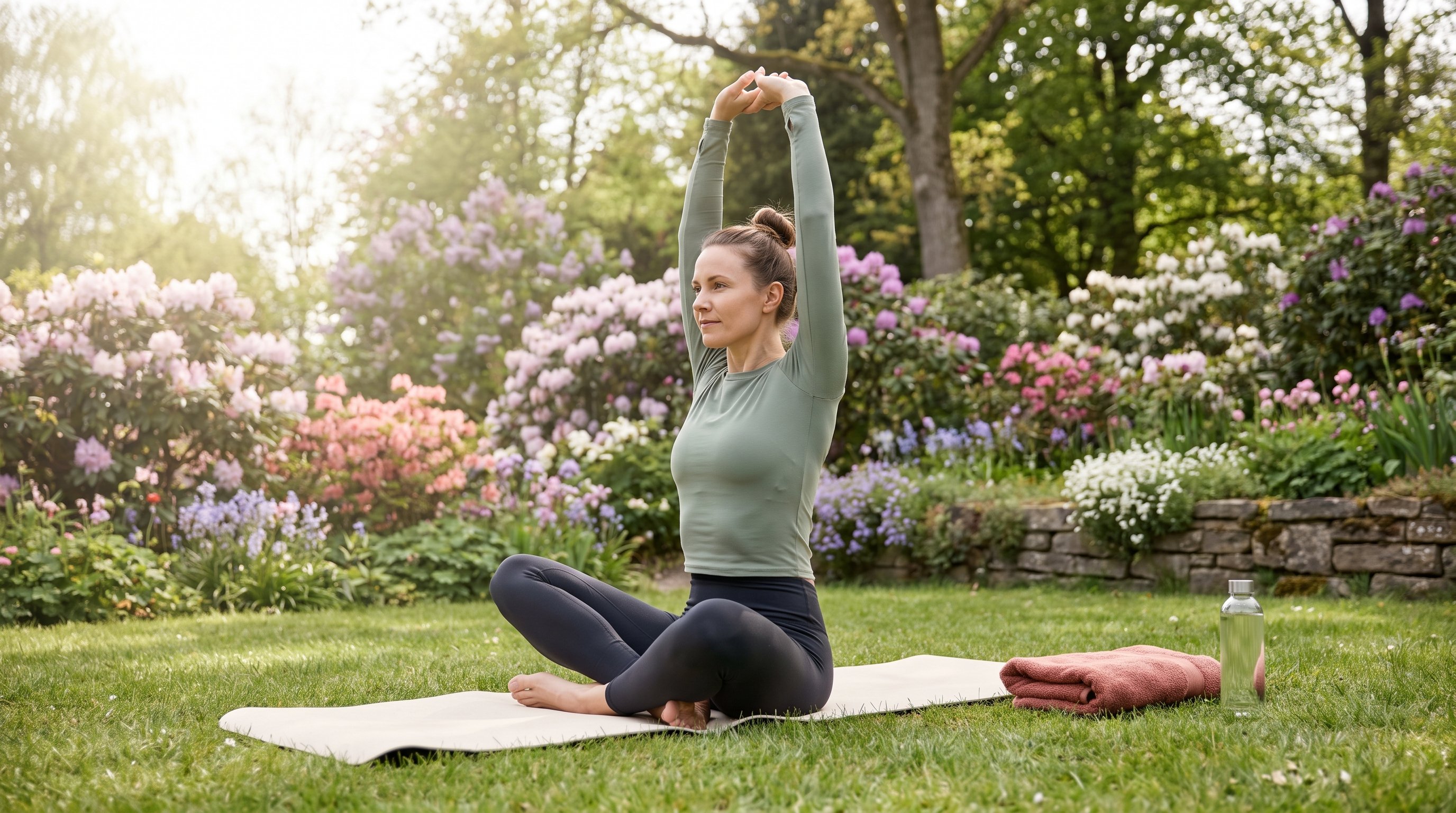
Exercises for longevity are simply movements you can keep doing for decades: walking briskly, carrying things, squatting, pushing, pulling and balancing. The point isn't intensity - it's repeatability, because the body that moves a little most days tends to hold strength, balance and mobility longer than the body that trains hard and then stops.
The mechanism is straightforward. Muscle and bone respond to regular load by staying stronger for longer, joints stay mobile when they're used through a full range, and balance work keeps the systems that prevent falls in practice.
This guide covers a sample week, how often to train, why simple routines beat ambitious ones, and how to adapt the plan whether you're just starting out, short on time, or older and easing back in.
A Week of Longevity Exercises You Can Copy
A workable week mixes strength, movement and balance without demanding hours of your day. Here's one version built from basic moves anyone can start with.

A Sample Longevity Week
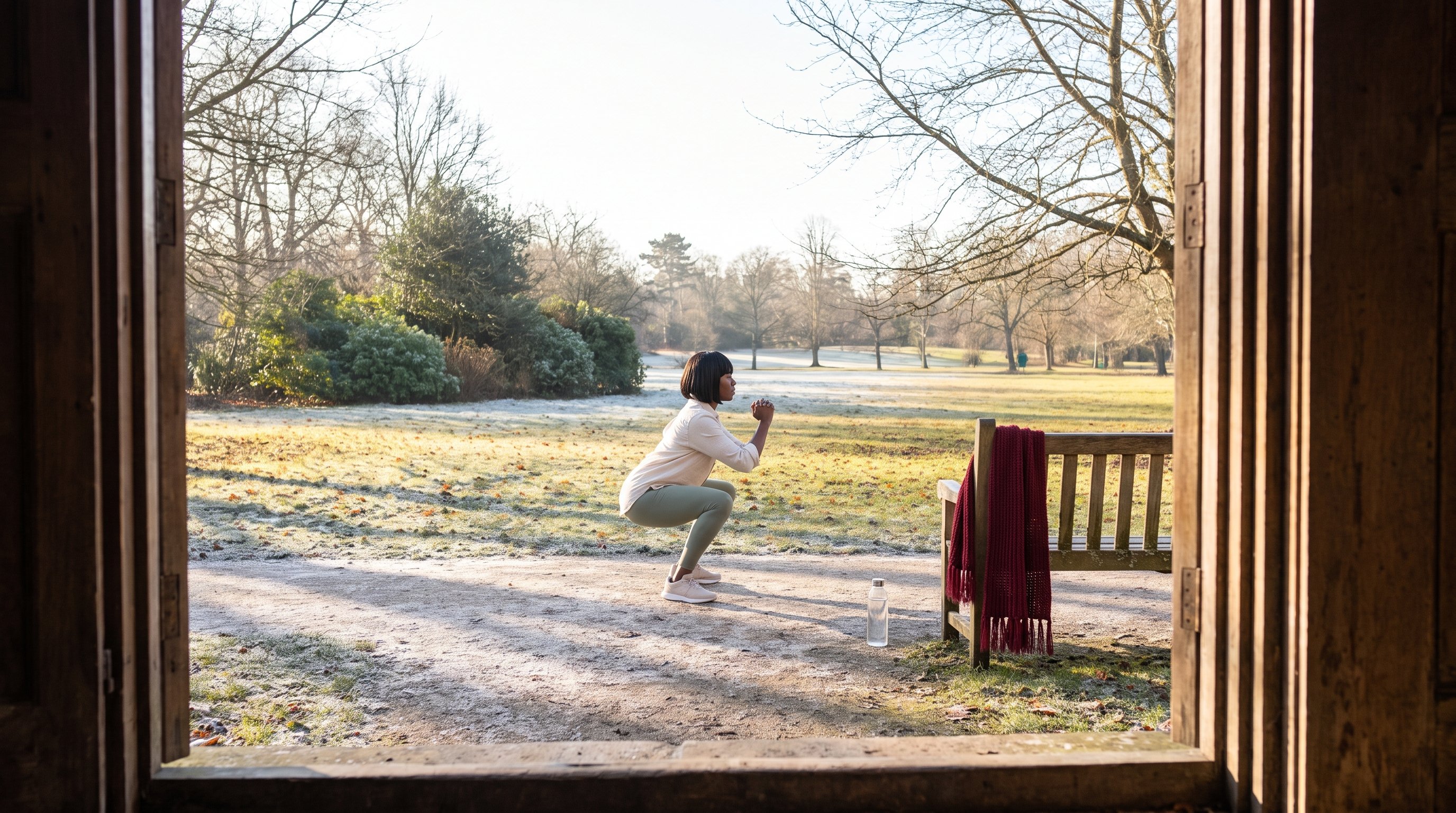
- Monday - bodyweight squats, wall push-ups, a 20-minute walk
- Tuesday - 30-minute walk at a pace that raises your breathing
- Wednesday - standing balance drills, gentle stretching, seated or standing rows with a band
- Thursday - rest or light movement like gardening or stretching
- Friday - bodyweight squats, push-ups, a short walk
- Saturday - longer walk or a low-impact activity you enjoy
- Sunday - rest, with some stretching if your body feels stiff
None of these need equipment or a gym membership, and the whole week adds up to a handful of short sessions rather than one gruelling workout.
How Often Longevity Exercises Actually Need to Happen
A Realistic Frequency Guide
You don't need daily intense training to get the benefit - consistency across the week matters more than any single session.
| Exercise Type | Frequency | Duration |
|---|---|---|
| Walking or easy cardio | 4-5 times weekly | 20-30 minutes |
| Strength moves | 2-3 times weekly | 15-20 minutes |
| Balance drills | 2-3 times weekly | 5-10 minutes |
| Stretching or mobility | Most days | 5-10 minutes |
| Full rest | 1-2 times weekly | As needed |
Why Simple Movement Beats Chasing Intense Training
Picture two approaches: one person does a punishing high-intensity session twice a month when motivation strikes, the other walks most days and does a few bodyweight strength moves each week.
The second person accumulates far more total movement over a year, simply because the routine is easy enough to repeat without dread.

Intense training that gets skipped delivers nothing. A modest routine that actually happens, week after week, is the one doing the work for your strength, balance and mobility over time.
Making Longevity Exercises Fit a Normal Schedule
Most people don't skip exercise because they dislike it - they skip it because the day gets full and the plan feels like one more decision to make.
Breaking sessions into short blocks - a 10-minute walk at lunch, a few squats while the kettle boils - removes the need to find a free hour.
Having a guided routine already laid out removes some of that daily decision-making, which is where Green Diet's library of light, guided exercise sessions can help you keep a longevity-friendly routine going without having to plan it from scratch each week.
Adapting a Longevity Routine to Where You're Starting From
If You're Just Starting Out
Begin with walking and two short strength sessions a week, keeping each one well under 20 minutes until the habit feels normal.
If You're Busy
Stack movement onto things you already do - walk during calls, do squats while waiting for dinner to cook - rather than carving out a separate workout block.
If You're Older or Easing Back In
Lean more on balance drills and a gentler walking pace, and build strength work slowly since joints and muscles that have been less active respond better to a gradual increase.
If You've Trained Before
Keep the structure but add a bit more load to the strength moves over time - a slightly harder push-up variation or a longer walk - so the routine still asks something of you.
Where Most People Quit a Longevity Routine
The common drop-off point comes a few weeks in, once the initial motivation fades and the routine hasn't yet become automatic.
There's no fixed timeline for when movement starts to feel like a normal part of the day - it depends on how often you show up and how much friction the routine has.
Expect some weeks to go better than others, and treat a missed session as a non-event rather than a reason to stop the whole plan.
Keeping Longevity Exercises Going With Green Diet
A longevity routine works best when it's easy to see what to do each day and easy to notice when you're drifting off track.
Green Diet brings guided light exercise sessions together with step counts, water intake and weight tracking in one place, so you can see your whole week rather than guessing at it.
The app also includes lifestyle challenges and nutrition and health guides written by nutrition experts, personal trainers and psychologists, which sit alongside the exercise sessions rather than replacing them - useful if you want the movement side and the food side pulling in the same direction.

Eat Clean Every Day
Natural Weight Loss Plan
Starting Your Longevity Routine This Week
Pick one day this week and do ten minutes of walking plus a handful of bodyweight squats - that's the whole starting point, nothing more complicated than that.
Build from there at whatever pace suits your week, and if you want the planning done for you, Green Diet's guided exercises and tracking tools are there to make the next session easier to start.
FAQ
Regular movement keeps muscle, bone and balance systems in practice, which is the mechanism behind most longevity-focused routines. The effect builds from consistency over time rather than any single workout.
Walking at a pace that raises your breathing counts as genuine cardio work, and it's one of the few forms of exercise most people can sustain for years. Easy to sustain beats hard to sustain, since the second one usually stops.
Short blocks of movement - ten minutes here, a few squats there - add up across the week and don't require a dedicated gym session. Green Diet's guided sessions are built short for exactly this reason, so fitting one in doesn't mean rearranging your day.
The first few weeks are the most common drop-off point, before the routine becomes a normal part of the day. Keeping sessions short and treating a missed day as a non-event helps the habit survive past that point.
Share this post