How To Meal Prep For The Week: A Simple Plant-Based Plan
By:Author:Green Diet Editorial
Updated on:October 18, 2026
- Does Batch Cooking Actually Save You Time Each Week
- Batch Prepping Versus Cooking Fresh Every Night
- Why Prepping Ahead Beats Deciding Daily
- Adapting Weekly Meal Prep to Different Schedules
- Fitting Weekly Prep Into a Normal Life
- The Myth That Prepping Guarantees a Certain Result
- Making Weekly Meal Prep Easier With Green Diet
- Getting Your First Prep Session Right
Meal prepping for the week means cooking a batch of food in one or two sessions so the rest of the week needs assembly, not cooking. The mechanism is simple: decisions made once cover five or six meals instead of being made fresh every single time.
Fewer decisions at 7pm on a Tuesday means less chance of grabbing whatever is fastest, which is usually the least useful option for a food goal.
This article covers whether prepping actually saves anything, how much to cook, how it compares with cooking daily, and how to fit it around a week that rarely goes to plan.
Does Batch Cooking Actually Save You Time Each Week
Yes, because the time cost of cooking is mostly fixed, not per-meal. Chopping one onion takes under a minute; chopping five takes maybe three, not five.
The same goes for heating a pan, washing a chopping board, or scrubbing a pot. Do that once for a week's worth of grains and vegetables and the per-meal time drops fast.
A Rough Breakdown
Cooking dinner from scratch five separate nights might mean five lots of chopping, five pans to wash, and five moments of deciding what to make. Cooking once for five portions means one chopping session, one or two pans, and one decision - the rest is just portioning out what already exists.
That is the whole case for prepping: it does not make the cooking itself faster, it just removes the repetition around it.
Batch Prepping Versus Cooking Fresh Every Night
Both approaches can get someone fed well - the real question is which one survives a busy Wednesday.
| Factor | Batch Prepping | Cooking Fresh Nightly |
|---|---|---|
| Time spent per week | One or two sessions | Cooking most nights |
| Decisions needed daily | Almost none | Every evening |
| Washing up | Concentrated, less often | Spread across the week |
| Risk on a busy day | Meal already exists | Skipped or rushed meal |
| Variety within the week | Needs planning upfront | Easier to improvise daily |
Neither column is wrong - it comes down to which risk someone would rather manage: a bit less spontaneity, or a higher chance of skipping a meal when the week gets busy.
Why Prepping Ahead Beats Deciding Daily
Deciding what to eat from scratch every day sounds flexible, but flexibility has a cost: it takes energy and willpower, and both run low by the evening.
Prepping removes that decision entirely for most meals. The food is already made, so the only choice left is whether to heat it up or eat it cold.
That is why prepping tends to stick longer than good intentions to cook fresh every night. A plan that needs less daily willpower is a plan that survives a bad week, not just a good one.
Adapting Weekly Meal Prep to Different Schedules
Just Starting Out
Start with two or three meals, not seven. Prepping lunch for three workdays is enough to learn the rhythm without a Sunday spent entirely in the kitchen.
Packed Weekday Schedule
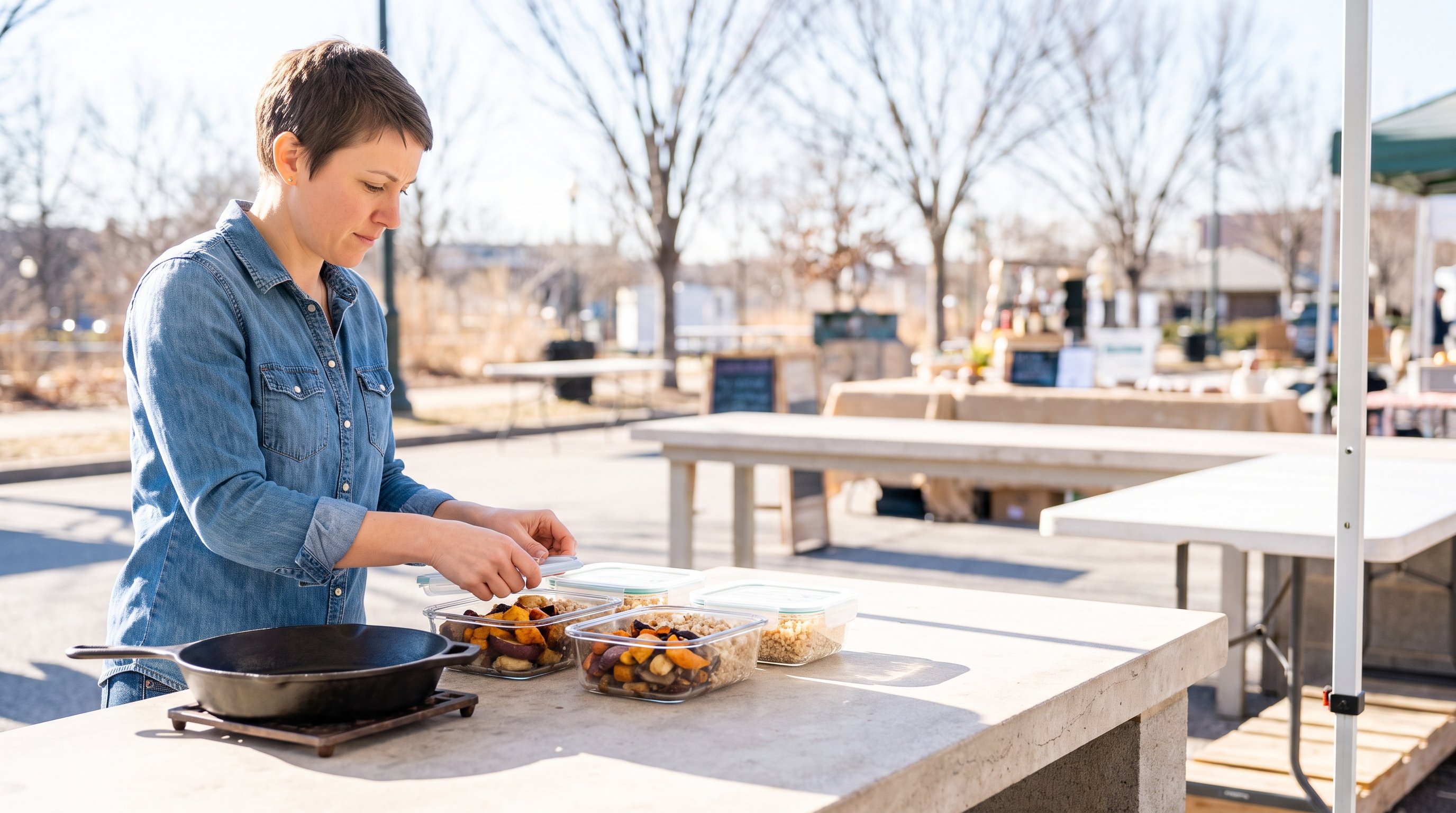
Cook once on a lower-demand evening or weekend slot and split the result across containers immediately. The goal is to never face a choice about dinner on the busiest days - it should already be decided.
Cooking for One
Portion control matters more here, since there is no one else to finish extra food. Freeze a few portions rather than cooking a smaller batch each time - frozen portions mean prepping less often, not giving it up.
Feeding a Household
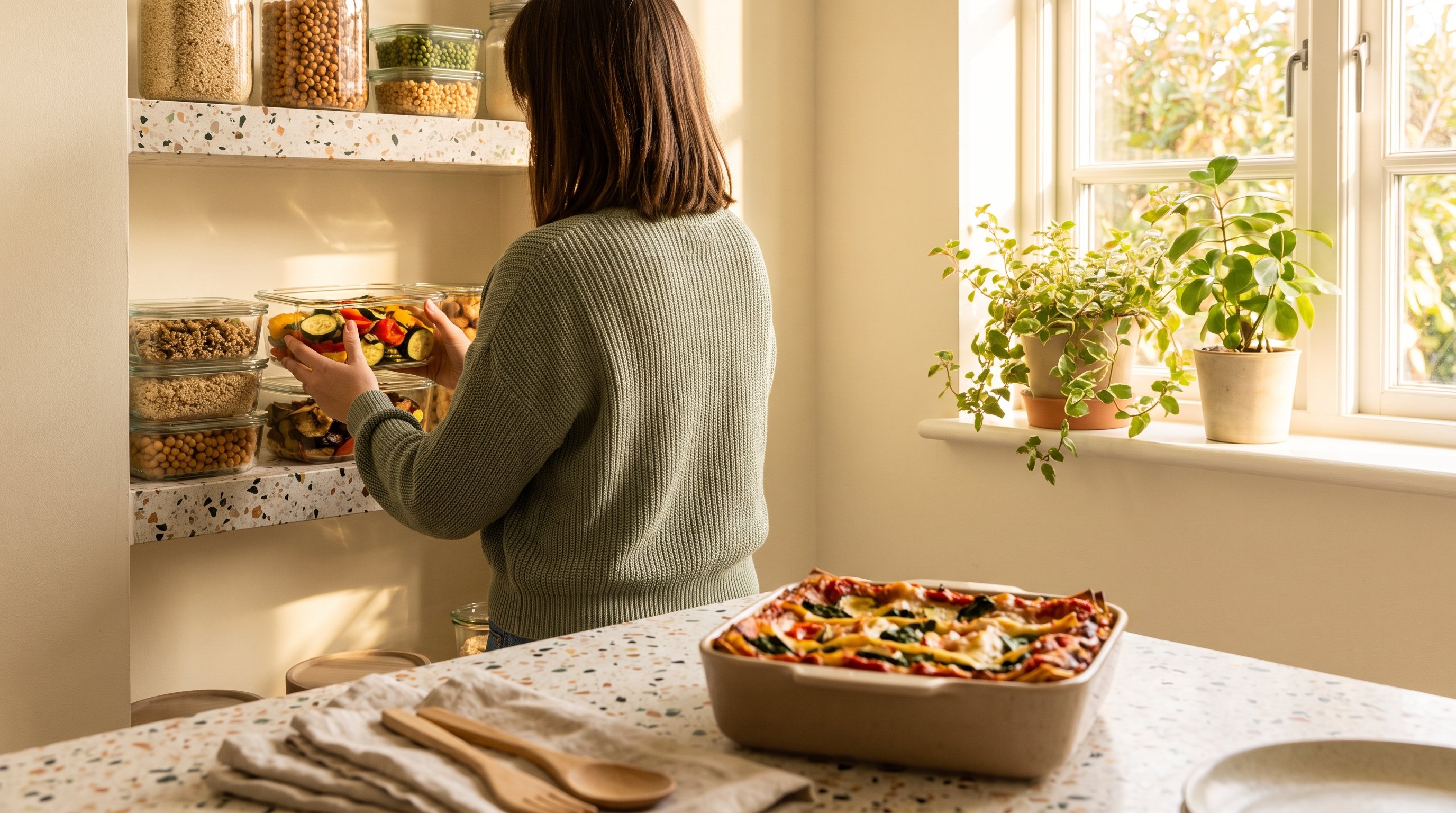
Cook a base - a grain, a bean, a roasted vegetable tray - that everyone can build a different plate from. It cuts the cooking load without forcing everyone to eat identical meals all week.
Fitting Weekly Prep Into a Normal Life
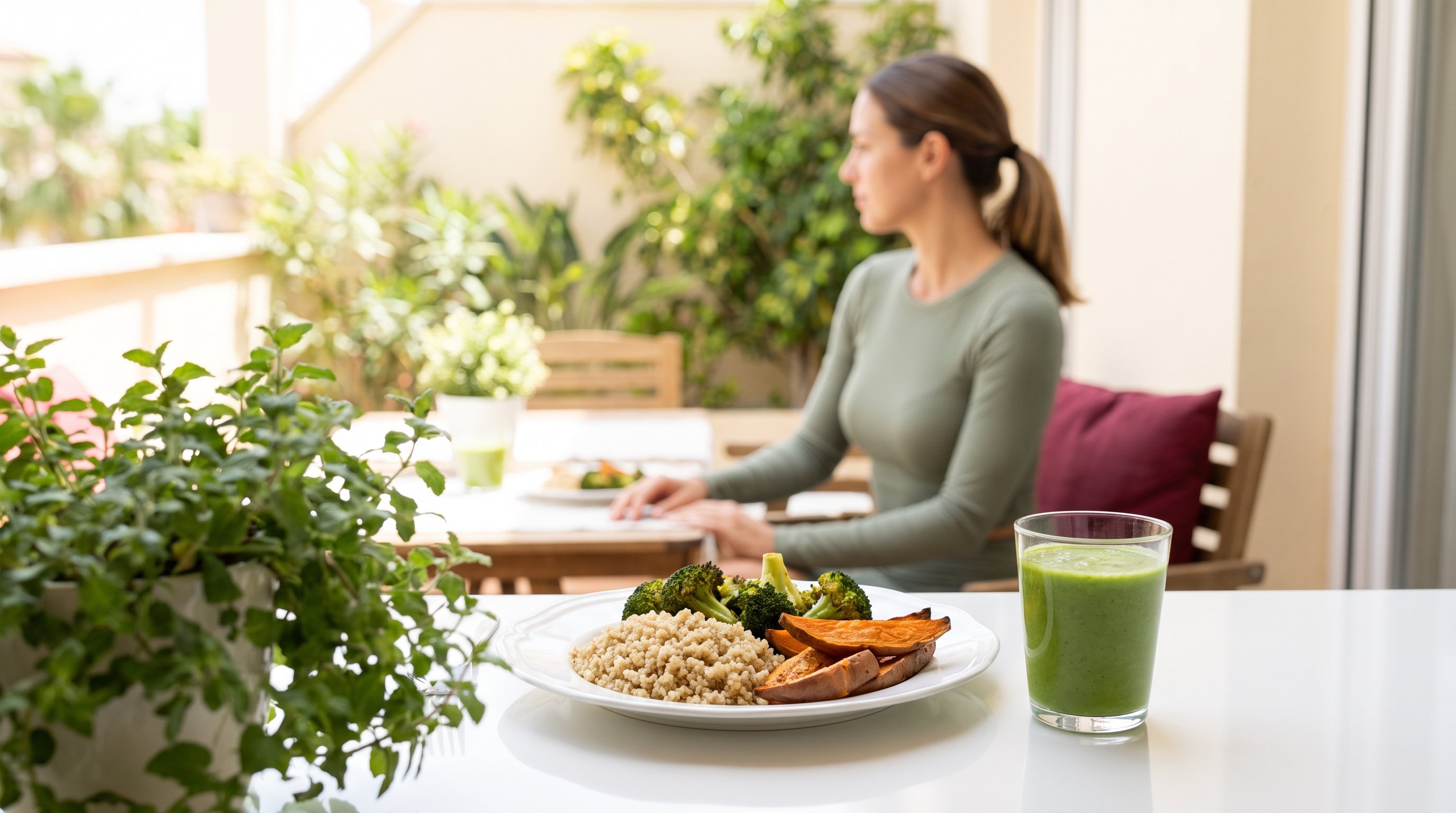
None of this needs a free Sunday or a kitchen full of equipment. One pot of grains, one tray of roasted vegetables, and one source of plant protein is enough of a base for several different meals across the week.
The hard part is usually not the cooking - it is knowing what to cook so the meals do not feel repetitive by Thursday.
That is where having a meal plan built around food already enjoyed, rather than guessed at from scratch, makes the whole process faster - which is one of the things Green Diet is built to help with.
The Myth That Prepping Guarantees a Certain Result
Meal prepping does not target weight loss from a specific area of the body, and no amount of planning changes that - the body does not lose fat from one spot on command, no matter what is in the container.
It also will not produce an overnight change. What prepping actually does is make it easier to hold a food pattern over time, because the food is ready instead of being a decision made under pressure.
That is a less exciting promise than a before-and-after headline, but it is the honest one - consistency, not any single meal, is what does the work.
Making Weekly Meal Prep Easier With Green Diet
Planning a week of plant-based meals from a blank page is the part most people give up on first, not the cooking itself.
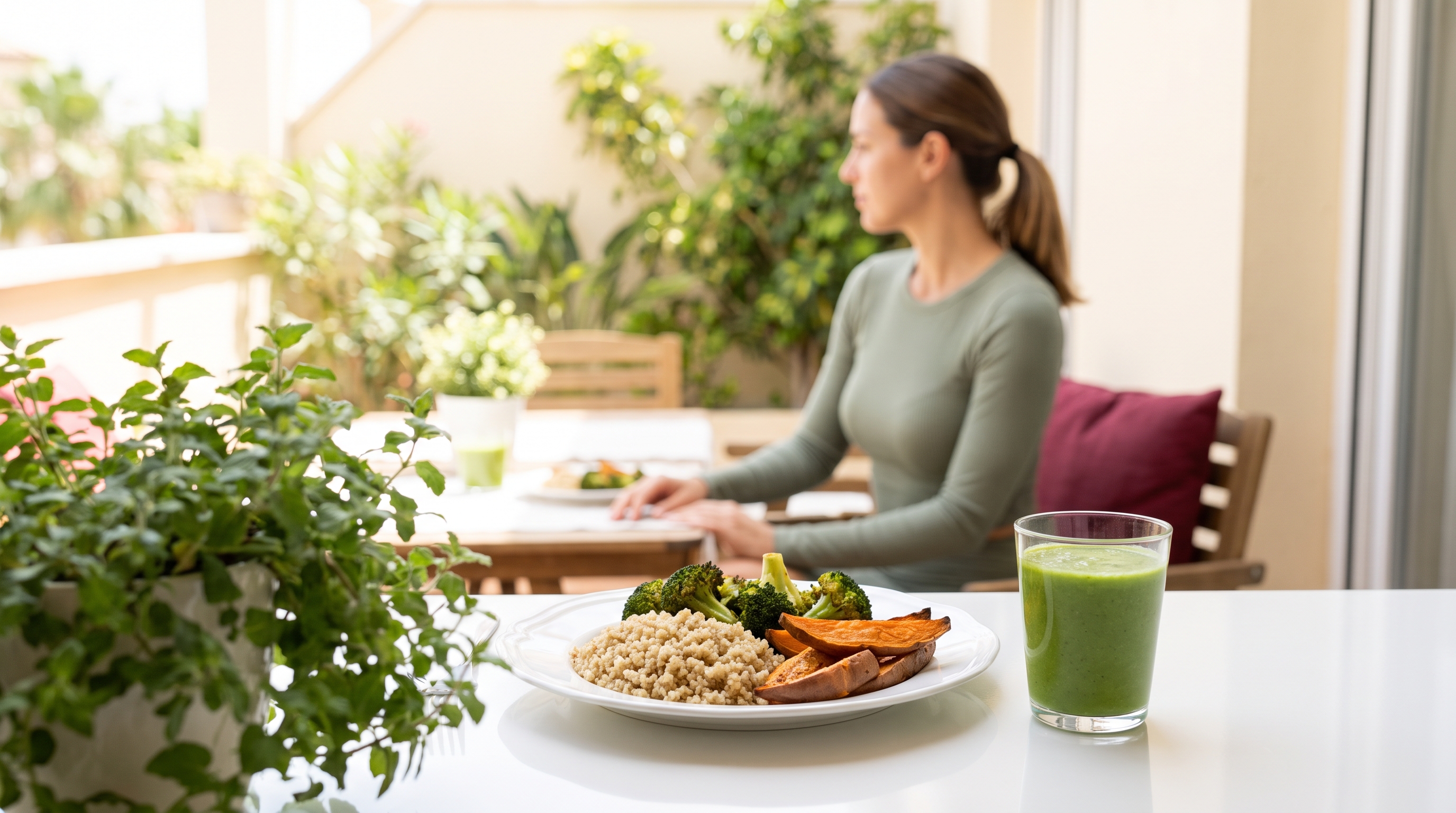
Green Diet removes that blank page by building a plant-based, vegetarian or vegan meal plan tailored for you, so the prep list is already decided before anyone opens the fridge. Alongside the meal plan, Green Diet also tracks water, steps and weight in one place, so the prepping habit connects to the rest of the week instead of sitting on its own.
Eat Clean Every Day
Natural Weight Loss Plan
Getting Your First Prep Session Right
Pick two or three meals to prep this week, not the whole seven - a shorter list that actually gets eaten beats a full week that goes stale in the fridge.
Green Diet can take the guesswork out of what to cook by building the plan around food already liked, which makes that first session far less daunting.
FAQ
Two or three is plenty to start with, since the point is building a habit rather than filling every container at once. Once that smaller batch feels routine, adding more meals is a simple next step.
It can, if the same single dish is repeated for five days straight, which is why varying the sauce, spice or side makes a real difference. Cooking a base of grains, vegetables and protein separately, then combining them differently each day, keeps meals from feeling identical.
Most cooked meals keep well in a sealed container in the fridge for a few days, and freezing extends that further for portions not needed right away. Cooling food before sealing it and reheating it properly before eating are the two habits that matter most.
A shorter prep session, even just one component like a cooked grain or a tray of roasted vegetables, still cuts down daily decisions. Green Diet can also suggest a tailored plan for weeks where a full prep session is not realistic, so the habit does not need to stop completely.
Share this post